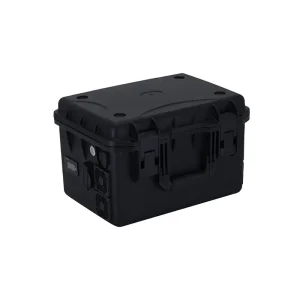
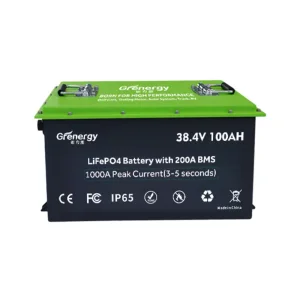
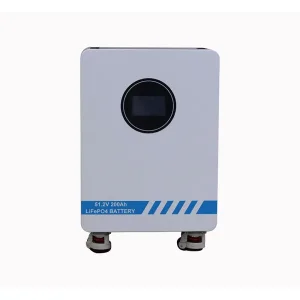
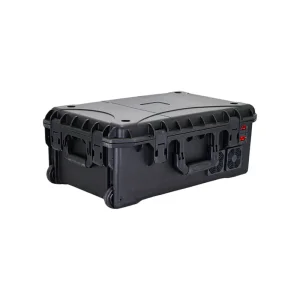
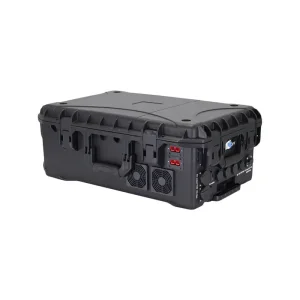
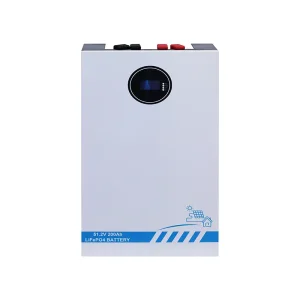
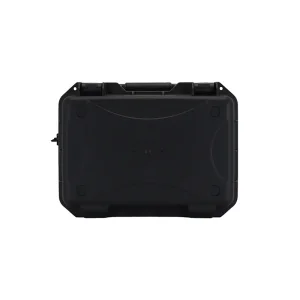
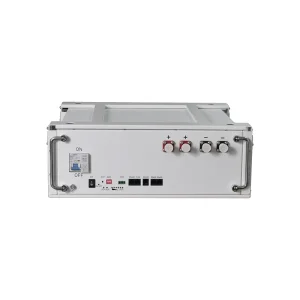
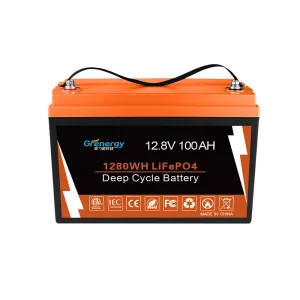
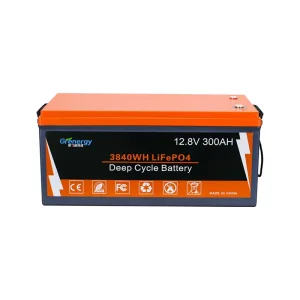
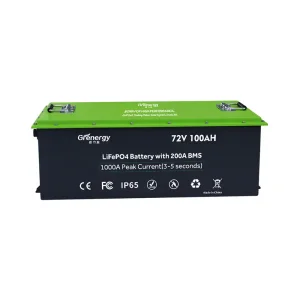
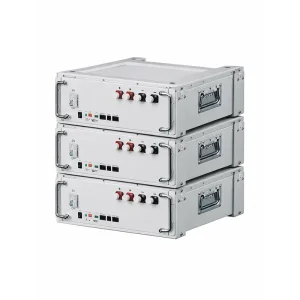
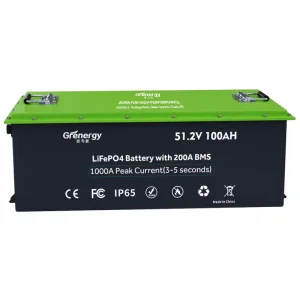
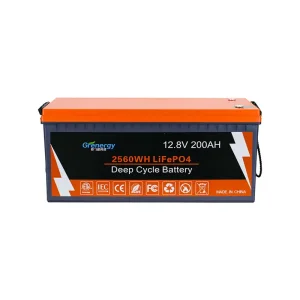
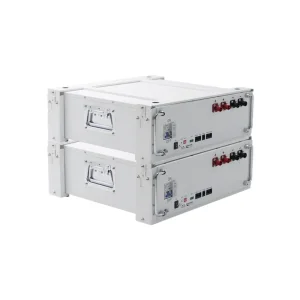
Select from our highly certified industrial production line
In the rapidly evolving global energy sector, selecting the right battery chemistry is no longer just a technical procurement detail—it is a critical decision that impacts total cost of ownership (TCO), supply chain reliability, and carbon footprints. Lead-Acid (specifically Absorbent Glass Mat, or AGM) and Lithium-Iron Phosphate (LiFePO4) represent the two premier technologies dominating commercial and industrial energy applications.
Historically, AGM batteries have been the standard for backup power and heavy-duty applications because of their lower upfront cost and robust tolerance of environmental conditions. However, the commercial battery market is undergoing a seismic paradigm shift. Advanced Lithium solutions, particularly LiFePO4, have emerged as the standard for high-cycle, deep-discharge applications like solar energy storage systems (ESS), golf carts, and high-voltage commercial vehicles.
For wholesale purchasers, selecting suppliers involves comparing unit costs alongside cycle life, shipping weights, maintenance costs, and integration flexibility. This analysis compares both technologies to help global businesses choose the ideal solution for their operational and financial goals.

Shenzhen Grenergy Technology Co., Ltd. — Pioneers in Industrial Battery Manufacturing and R&D since 2010.
To make an informed B2B procurement decision, buyers need more than general descriptions. Below is an engineering-grade comparison of key performance metrics for AGM and LiFePO4 batteries.
| Performance Metric | AGM (Absorbent Glass Mat) | Lithium (LiFePO4) | B2B Procurement Advantage |
|---|---|---|---|
| Cycle Life (at 80% DoD) | 300 – 600 Cycles | 3,500 – 6,000+ Cycles | Lithium Wins: 10x longer operational life, lower replacement frequency. |
| Recommended Depth of Discharge (DoD) | 50% | 90% – 100% | Lithium Wins: Double the usable capacity for the same rated amp-hour footprint. |
| Energy Density (Weight to Capacity) | 30 – 40 Wh/kg (Heavy) | 120 – 160 Wh/kg (Lightweight) | Lithium Wins: Saves up to 70% in weight; reduces transit and installation costs. |
| Charging Efficiency | 75% – 85% (Slow, requires multi-stage) | 95% – 98% (Rapid charging support) | Lithium Wins: Minimal energy loss, reduces fuel/solar input costs. |
| Upfront Purchase Cost (CapEx) | Low to Moderate (1x baseline) | Moderate to High (2.5x – 3x baseline) | AGM Wins: Lower initial investment, ideal for standby/infrequent applications. |
| Total Cost of Ownership (TCO) | High (Frequent replacement costs) | Extremely Low (Over 5–10 years) | Lithium Wins: Drastically lower cost per cycle over long-term operations. |
| BMS Protection Integration | None (Passive system monitoring) | Integrated Smart BMS (Voltage, temp, balancing) | Lithium Wins: Active safety and communication for smart microgrid setups. |
The commercial battery industry is growing rapidly, driven by the global transition to renewable energy and the electrification of industrial machinery. Worldwide demand for energy storage systems (ESS) is projected to grow by over 20% annually through 2030. In this environment, purchasing agents must evaluate how regional supply dynamics and technology maturity affect their operations.
Telecommunications base stations globally are converting backup systems from AGM to Lithium. While AGM was historically preferred for cold climates, LiFePO4 cells with built-in thermal management systems now provide reliable performance across diverse climates, significantly reducing maintenance trips to remote tower sites.
Although AGM batteries feature low initial costs, they must be replaced every 2 to 3 years in heavy daily-use applications. Lithium batteries can last over 10 years, making them the more cost-effective choice for commercial fleet operators, solar developers, and utility providers looking to minimize long-term capital expenditure.
Lithium battery shipping is governed by strict international standards under UN38.3 regulations. Reputable suppliers like Grenergy manage these requirements by using certified industrial packaging, ensuring secure, compliant transport via sea and air cargo.
Established in 2010, Shenzhen Grenergy Technology Co., Ltd. is a high-tech enterprise specializing in the research, development, and manufacturing of premium lithium batteries, comprehensive energy storage systems (ESS), motive power batteries, smart battery management systems (BMS), and all-in-one customized power solutions.
With a focus on technological innovation, Grenergy provides reliable energy solutions for diverse applications worldwide. Our product portfolio ranges from drop-in lead-acid replacement lithium batteries to high-voltage golf cart packs and large-scale industrial energy storage cabinets.
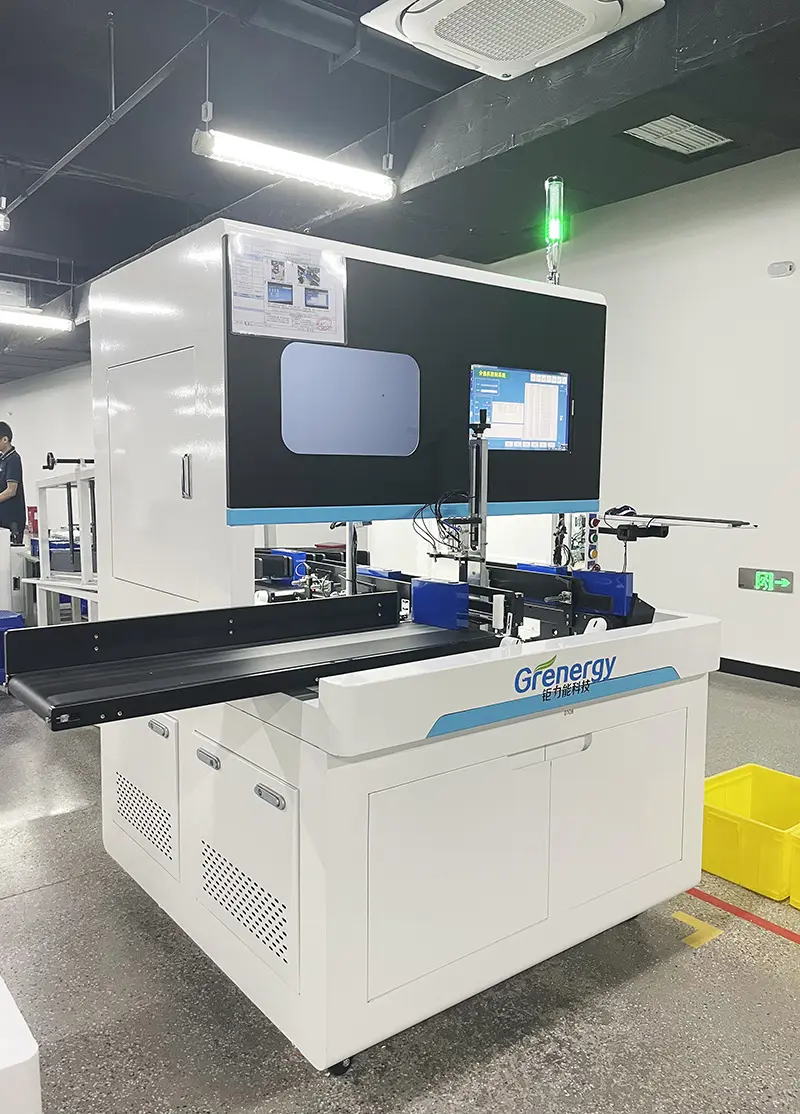
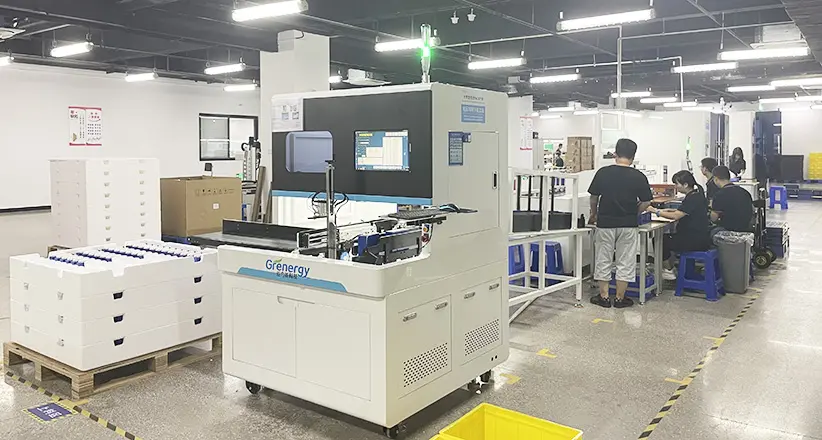
Since our founding, Grenergy has focused on developing sustainable energy solutions to meet the growing demand for efficient, reliable, and eco-friendly power systems. Over more than a decade, we have created a diverse product portfolio, including:
Our core values—integrity, innovation, and customer satisfaction—drive our continuous growth and help businesses globally transition to cleaner, more efficient energy storage solutions.
China remains the global hub for battery manufacturing, producing over 75% of the world's lithium-ion batteries. This concentration provides significant advantages in supply chain integration and cost efficiency.
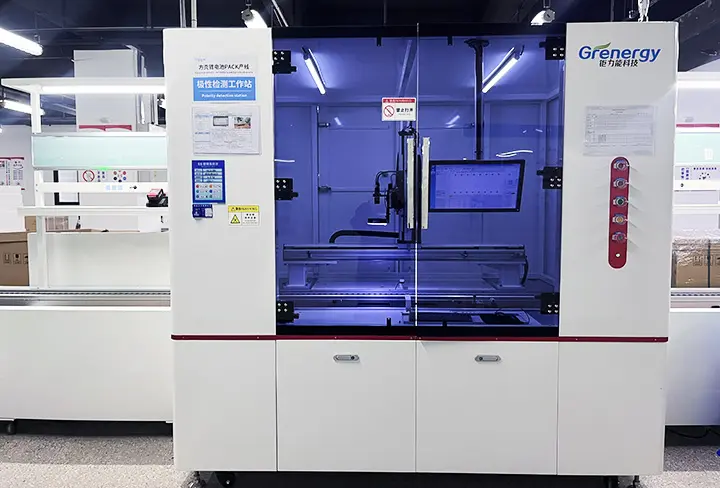
At Grenergy's Shenzhen facility, we capitalize on this regional ecosystem to secure direct access to high-purity raw materials, high-quality LiFePO4 cells, and advanced semiconductor components for our custom Battery Management Systems (BMS). Our integrated supply chain minimizes logistical delays and allows us to offer flexible, cost-effective OEM and ODM services.
By managing the entire production process—from cell matching and structural design to BMS programming and final quality control—we deliver competitive pricing without compromising reliability. Our manufacturing processes align with strict international standards, backed by a comprehensive QA system.
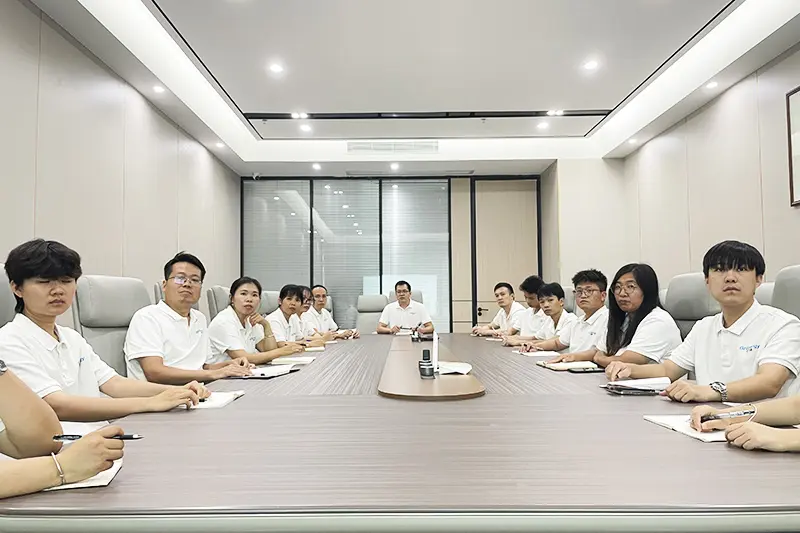
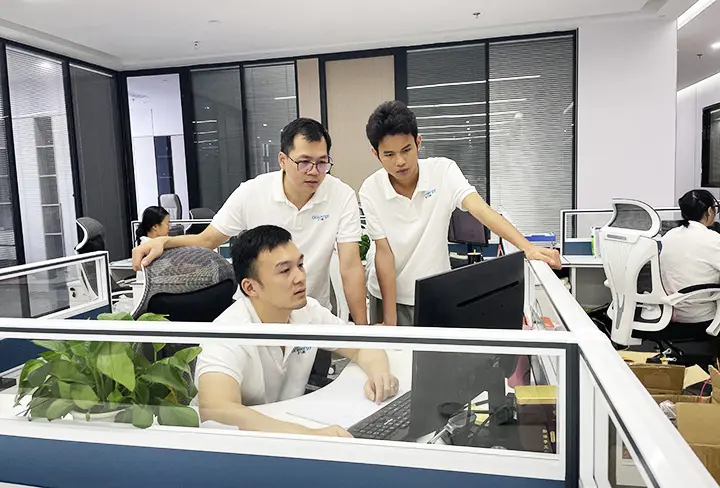
Grenergy's manufacturing operations are certified to meet international quality, safety, and environmental standards, ensuring compliance across global markets:
Different applications place distinct demands on battery storage. The comparison below illustrates where AGM and Lithium chemistries perform best in real-world environments.
The Choice: Lithium (LiFePO4). Home energy storage systems require frequent deep cycling. Utilizing a floor-mounted cabinet or wall-mounted LiFePO4 battery (such as Grenergy's 51.2V 200Ah system) delivers over 10 years of daily cycling, whereas AGM batteries in solar setups typically need replacement within 2 to 3 years.
The Choice: Lithium (LiFePO4). Upgrading fleet vehicles like golf carts and utility transports from lead-acid/AGM to custom lithium packs (like Grenergy's 76.8V 100Ah system) provides consistent voltage throughout the discharge cycle, reduces overall vehicle weight, and eliminates ongoing battery maintenance.
The Choice: AGM or Lithium. For backup installations that remain fully charged and rarely discharge (such as emergency lighting or backup generators), AGM batteries are often chosen for their lower initial cost. However, for critical telecom sites and mission-critical backup, lithium power stations are increasingly selected for their integrated monitoring and fast recharging capabilities.
The global battery landscape is moving rapidly toward higher energy density, increased safety, and sustainable manufacturing practices. Key trends shaping the industry include:
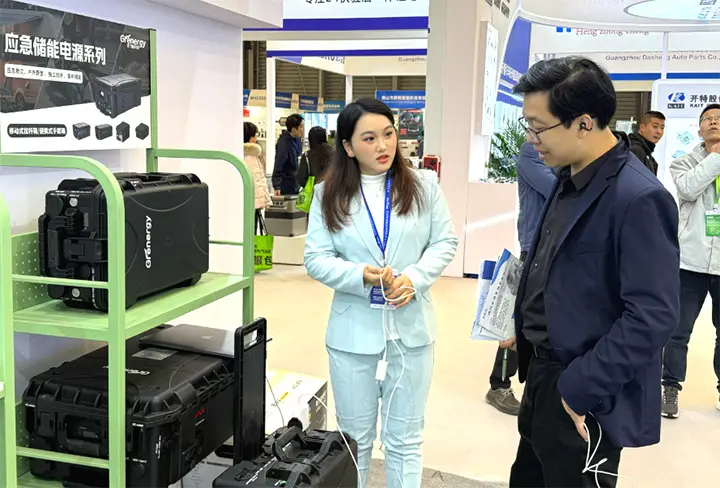
Grenergy collaborates with leading international organizations and component suppliers to bring the latest advancements in energy storage and battery management to market.
Through these partnerships, we ensure our lithium-ion assemblies utilize high-quality cells and reliable integrated circuitry. Our close relationship with domestic shipping hubs also enables us to coordinate efficient container logistics to major ports in North America, Europe, Australia, and Southeast Asia.
Hear from our long-term distribution and manufacturing partners
"We transitioned our entire electric utility vehicle fleet in California from lead-acid to Grenergy's custom 76.8V lithium packs. The reduction in maintenance costs and weight has significantly improved our operations. Grenergy's customization and engineering support made the transition straightforward."
— Fleet Operations Director, USA
"As an importer of solar storage systems in Europe, quality and certification are critical. Grenergy's wall-mounted batteries met all required CE and UN38.3 standards. Their $3 million USD product liability insurance provides reassurance to our distribution network."
— Renewable Energy Distributor, Germany
"Grenergy's ODM capability allows us to order rack-mounted battery solutions tailored to our specific telecom shelters. Their responsiveness and factory testing reports ensure that every batch arrives ready for installation."
— Lead Infrastructure Architect, Australia
Here are direct answers to common questions asked by B2B buyers and engineers when evaluating AGM and Lithium battery suppliers.
Lithium batteries require more advanced raw materials and complex integrated electronic monitoring systems (BMS) than lead-acid batteries, leading to a higher initial purchase price. However, when evaluating the total cost of ownership (TCO), lithium batteries are often more cost-effective. A standard AGM battery provides roughly 300 to 500 cycles at 50% Depth of Discharge, whereas a LiFePO4 battery can deliver 3,500 to 6,000+ cycles at 80% to 90% Depth of Discharge. This long-term durability reduces replacement and maintenance expenses, lowering the total cost per kilowatt-hour stored over the life of the system.
It is generally not recommended to use a standard AGM battery charger for lithium batteries. Lithium batteries require a specific constant current/constant voltage (CC/CV) charging profile. Many AGM chargers feature desulfation or equalization stages that use high voltage pulses, which can trigger the protective shutoff on a Lithium battery's BMS or cause cell damage over time. To ensure long cell life and safe operation, always use a charger calibrated for LiFePO4 batteries.
To ensure compliance and safe transport, global buyers should verify the following certifications:
Both chemistries experience reduced performance in extreme cold. AGM batteries retain some capacity at temperatures below freezing, but high discharge rates under these conditions can shorten their operational lifespan. Lithium batteries are sensitive to charging in sub-freezing temperatures; charging lithium cells below 0°C (32°F) can cause lithium plating, which permanently degrades the battery. To address this, high-quality lithium packs for cold climates feature integrated heating systems inside the enclosure to warm the cells before charging begins.
Grenergy provides comprehensive OEM and ODM options to meet specific commercial requirements:
Engineered for high performance, long cycle life, and safety
 Grenergy