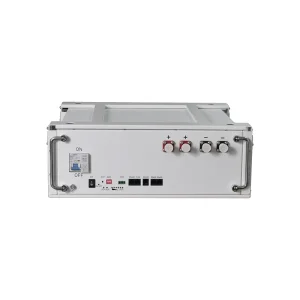
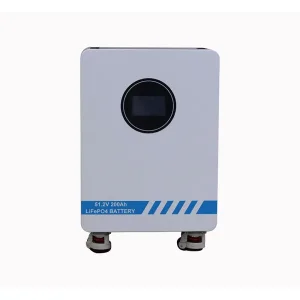
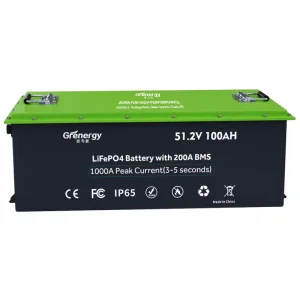
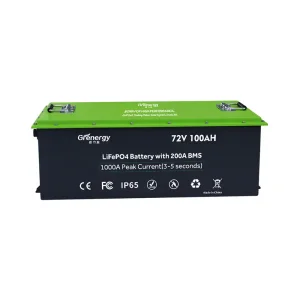
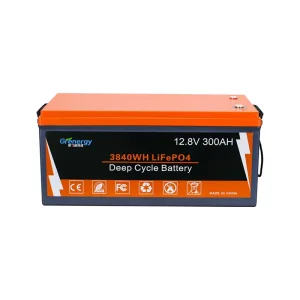
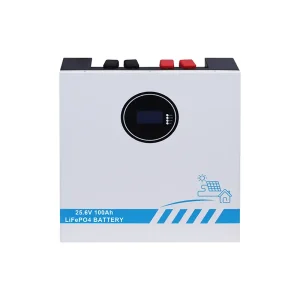
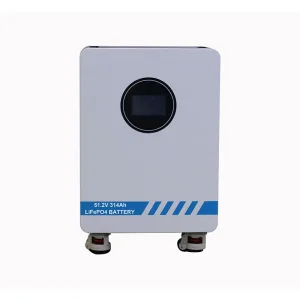
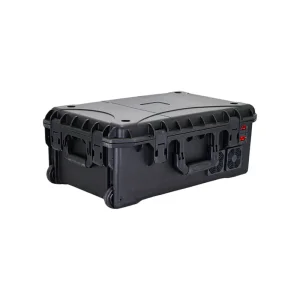
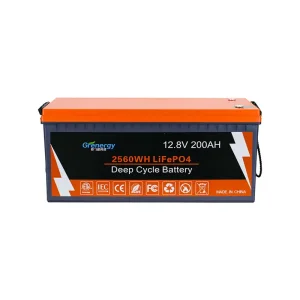
High-performance energy storage solutions designed for diverse commercial, industrial, and off-grid configurations.
An engineering comparison highlighting core chemical properties, degradation mechanics, and electrical performance parameters.
In industrial energy storage, comparing Lithium (primarily Lithium Iron Phosphate or LiFePO4) and AGM (Absorbent Glass Mat) lead-acid batteries requires evaluating molecular structures, charge-carrier dynamics, and lifecycle durability. While AGM batteries have served as the traditional standard for standby and low-cost cycling applications, LiFePO4 chemistry presents superior electrical metrics that improve overall operational outcomes.
AGM Chemistry: Absorbent Glass Mat is a subclass of Valve-Regulated Lead-Acid (VRLA) batteries. The electrolyte is absorbed within a fine fiberglass mat matrix placed between lead plates. Active chemical reactions rely on lead oxide converting to lead sulfate, which degrades the physical plate structure over successive cycles, particularly under high Depths of Discharge (DoD) or temperature stress.
Lithium Iron Phosphate (LiFePO4) Chemistry: LiFePO4 batteries utilize a crystalline olivine lattice structure. During charge and discharge, lithium ions move between the cathode and anode through intercalation, causing minimal physical changes to the electrode materials. This structural stability supports longer cycle life, faster recharge rates, and safety against thermal runaway compared to cobalt-based lithium chemistries.
| Performance Parameter | Lithium Iron Phosphate (LiFePO4) | Absorbent Glass Mat (AGM) | Industrial Impact |
|---|---|---|---|
| Usable Depth of Discharge (DoD) | 80% - 100% | 50% recommended limit | Lithium delivers double the usable capacity for the same nominal Ah rating. |
| Cycle Life (@80% DoD) | 3,000 - 6,000+ cycles | 300 - 500 cycles | Reduces battery replacement rates, yielding a lower Total Cost of Ownership. |
| Energy Density | 120 - 160 Wh/kg | 30 - 50 Wh/kg | Enables lighter mobile, marine, and portable designs. |
| Round-Trip Efficiency | 95% - 98% | 80% - 85% | Reduces energy losses during charging, ideal for solar applications. |
| Charge Acceptance Time | 0.5C to 1C (1 - 2 hours) | 0.1C to 0.2C (8 - 10 hours) | Enables fast recharging in systems with limited solar or generator runtimes. |
| Peukert's Law Sensitivity | Minimal (Peukert's Coeff. ≈ 1.01) | High (Peukert's Coeff. ≈ 1.15 - 1.3) | Lithium maintains capacity under high-rate discharges. |
Evaluating the performance of AGM and Lithium chemistries across localized industrial, commercial, and off-grid applications.
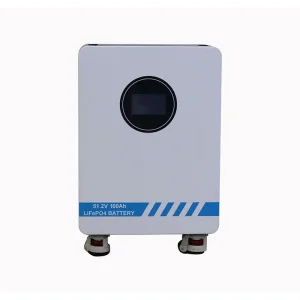
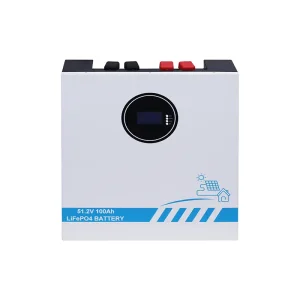
Modern microgrids require continuous cycling and integration with smart energy management systems. Wall-mounted lithium batteries support deeper daily cycling and high round-trip efficiency, maintaining reliable power levels during peak load-shifting periods where AGM systems experience early thermal degradation.
Remote telecom installations are often exposed to high ambient temperatures and limited maintenance access. Rack-mounted lithium units operate in wide temperature windows without the active air-conditioning systems required by AGM batteries, helping to lower off-grid utility operating costs.
Weight reduction and high-rate power delivery are key priorities for recreational vehicles, marine vessels, and electric utility golf carts. Transitioning from lead-acid to lithium reduces onboard weight by up to 70%, stabilizes system voltage, and allows for regenerative braking integration.
An economic projection analyzing procurement trends, capital expenditure (CapEx), and operational cost reductions over long deployment cycles.
For B2B wholesalers, procurement managers, and system integrators, initial capital expenditure (CapEx) is only one component of energy storage selection. A comprehensive Total Cost of Ownership (TCO) calculation shows that while AGM batteries have lower upfront acquisition costs, they frequently require replacement every 2 to 3 years under cyclic loads. In contrast, high-grade LiFePO4 batteries can operate continuously for 10 or more years.
TCO = CapEx + OpEx (Maintenance) + Replacement Costs (Labor + Shipping + Downtime) + Disposal Charges
By using lithium chemistry, operators can avoid multiple replacement and labor cycles, lower shipping weight costs, and reduce round-trip energy losses by 15%. This contributes to a shorter payback period, particularly in grid-interactive commercial solar systems, micro-grid backups, and peak-shaving applications.
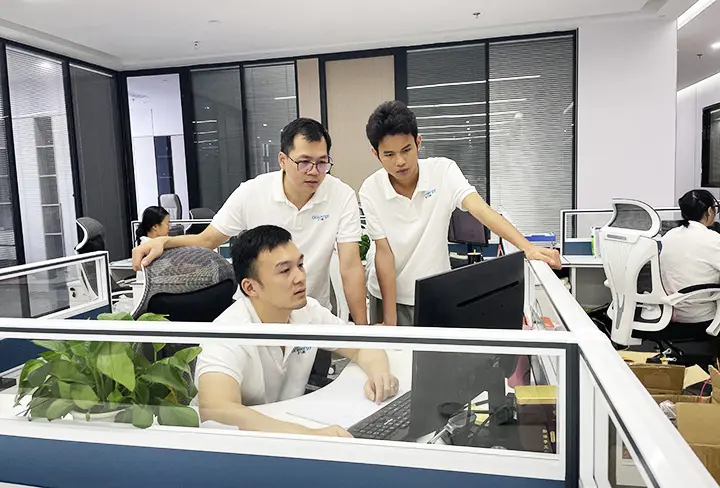
How Shenzhen Grenergy Technology Co., Ltd. manages component sourcing, quality assurance, and high-volume delivery from its production hub.
Efficient supply chain management is a key factor in successful battery manufacturing. Based in the lithium manufacturing hub of Guangdong, Shenzhen Grenergy Technology Co., Ltd. (established in 2010) has built a reliable supply network. By securing access to high-grade raw materials (including lithium iron phosphate powders, aluminum foils, and electronic components), we help cushion clients against sudden market fluctuations.
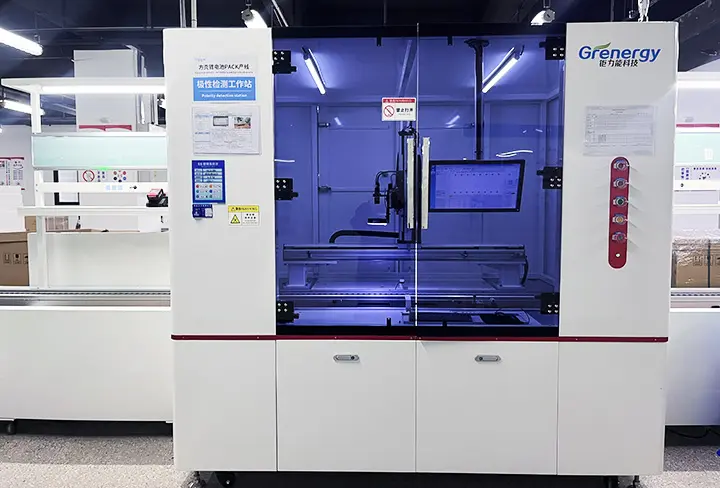
Our 10,000 square meter production facility is operated by a team of 200 skilled professionals. This allows us to handle large-scale orders while providing customization options through our OEM and ODM services. Every battery undergoes strict multi-stage testing to ensure safety, reliability, and consistent cell-to-cell balancing.

Innovations in solid-state chemistry, cell architecture, and intelligent BMS technologies.
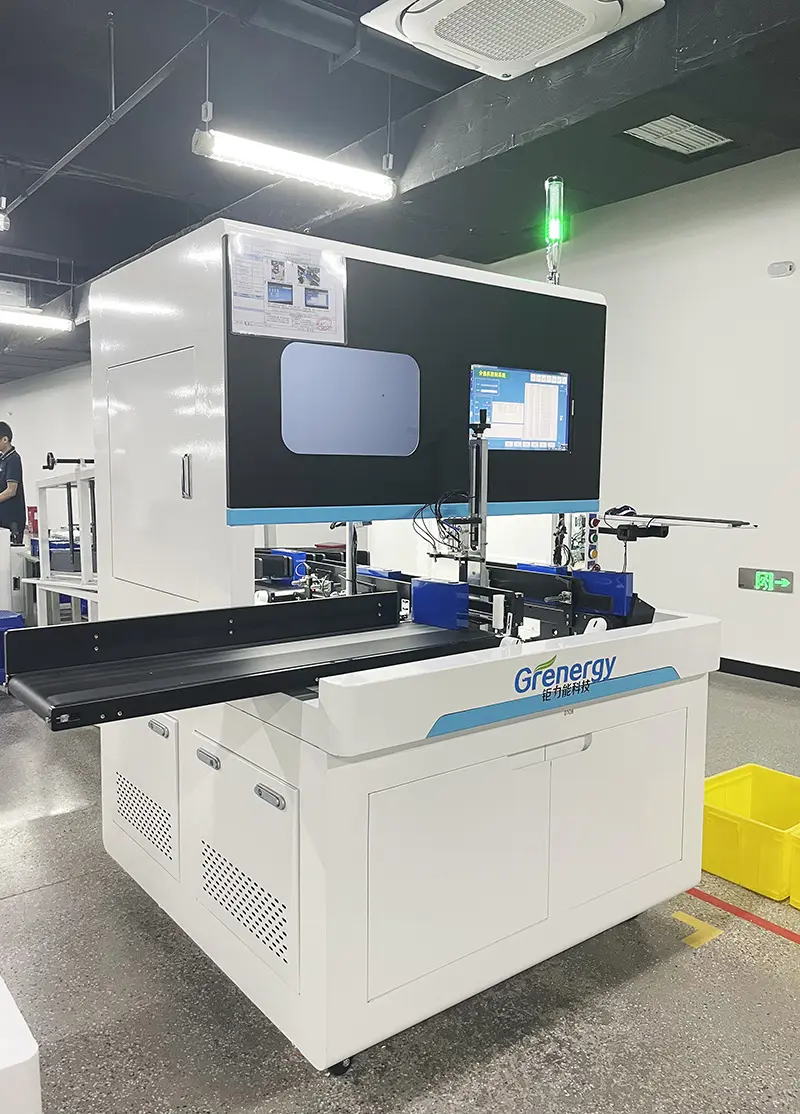
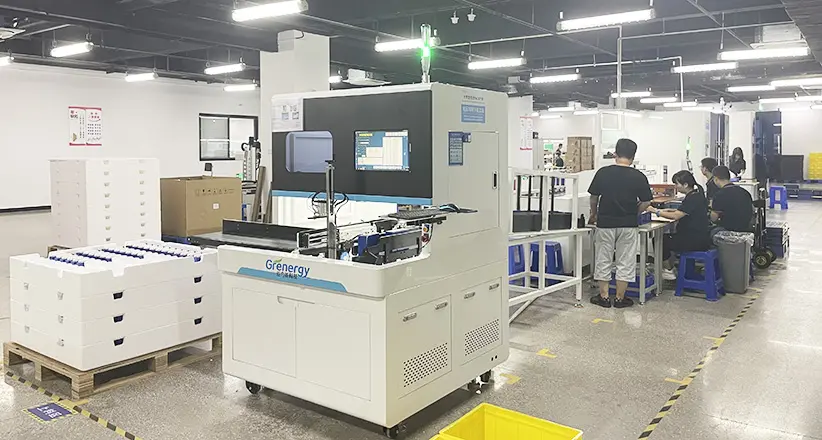
The energy storage industry continues to evolve, driven by demands for higher safety, density, and intelligence. Grenergy's technical roadmap focuses on the following key areas:
Navigating complex international certifications, quality standards, and logistics channels safely.
Navigating global regulatory frameworks requires meticulous attention to testing and documentation. Grenergy ensures compliance with international standards, helping B2B buyers handle regional import controls, building safety codes, and transit regulations smoothly.
Our products are backed by certifications including ISO9001, ISO14001, ISO45001, UL, CE, FCC, PSE, and UN38.3. Additionally, all shipments include comprehensive documentation (MSDS, safety reports) and are backed by a $3 Million USD Product Liability Insurance policy, providing risk mitigation for global distributors, project developers, and system integrators.
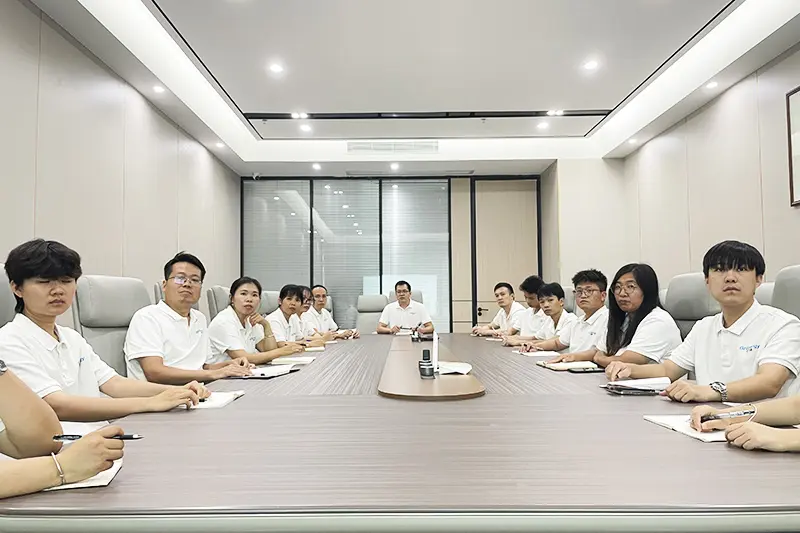
Working together with global system developers and technology providers to deliver advanced clean energy systems.
Our partners include major technology providers, grid operators, and material researchers. These collaborations help us integrate the latest advancements in energy storage and battery management into our product line.
“Grenergy’s customization support helped us transition our entire line of industrial utility vehicles from lead-acid to lithium. We reduced vehicle weight and cut out-of-service maintenance calls to zero.”
— Operations Director, European Fleet Logistics
Clear answers to technical and supply chain questions for project managers and wholesalers.
High-capacity solutions designed for home backup, heavy-duty utility vehicles, and portable solar applications.
 Grenergy