A comprehensive examination of electrochemistry, design principles, and battery management parameters in modern off-grid environments.
Historically, off-grid generator battery systems relied heavily on lead-acid or gel architectures due to their lower upfront cost. However, in modern high-capacity industrial applications, lead-acid systems fail to meet operational demands due to their low Depth of Discharge (DOD) threshold (typically 50%), limited cycle life (300 to 500 cycles at 50% DOD), and high susceptibility to thermal degradation. Modern off-grid setups demand the integration of Lithium Iron Phosphate (LiFePO4) chemistry, which offers over 6,000 cycles at 80% DOD, significantly reducing the levelized cost of storage (LCOS).
Furthermore, LiFePO4 cells exhibit incredible thermal stability. The risk of thermal runaway is mitigated by the stable olivine structure of the phosphate molecule, which does not decompose at high temperatures unlike its Cobalt-based lithium counterparts (NMC/LCO). For systems paired with heavy-duty diesel generators or large solar PV arrays, the charge and discharge current dynamics require battery cells capable of sustaining continuous C-rates exceeding 1C without massive heat accumulation.
Shenzhen Grenergy Technology Co., Ltd. builds its industrial and residential battery packs exclusively using high-grade, A-grade LiFePO4 cells to ensure that voltage drop during peak power draw is negligible. This prevents grid-forming inverters from shutting down due to false low-voltage triggers, a common issue in lower-quality battery packs.

Operating a state-of-the-art facility in Shenzhen, we deliver unmatched production reliability, rigorous quality verification, and cost-controlled assembly.
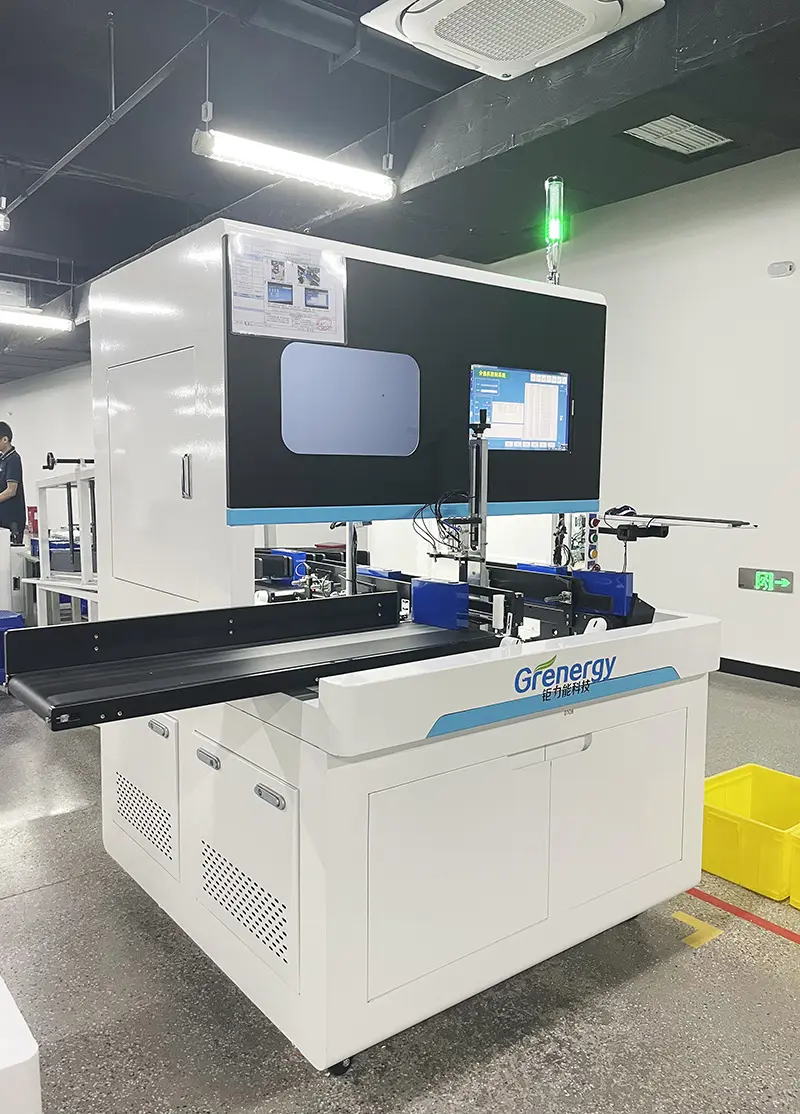
Established in 2010, Shenzhen Grenergy Technology Co., Ltd. has evolved into a global titan in the high-tech enterprise energy storage sector. Specializing in the complete lifecycle of battery pack engineering—spanning R&D, structural design, battery management system (BMS) software development, pack assembly, and final validation—Grenergy satisfies the rigorous technical criteria demanded by international system integrators.
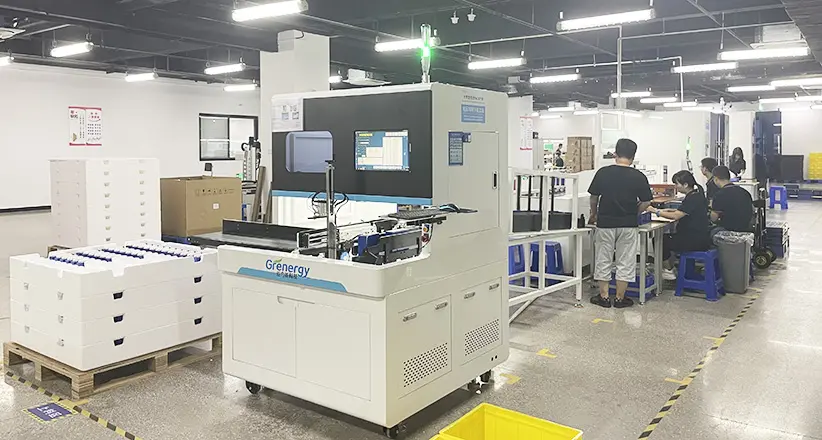
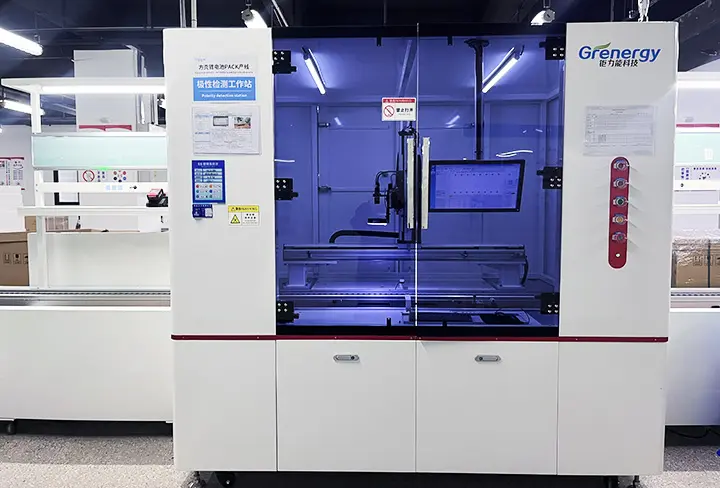
Our strategic location in Shenzhen, the heart of the global lithium-ion battery ecosystem, allows us to secure raw materials and premium components with minimum logistical delay. With a factory footprint encompassing nearly 10,000 square meters and powered by a workforce of 200 highly skilled professionals, our production lines are optimized for high-volume OEM/ODM execution. We operate automated cell testing systems that match internal resistance, capacity, and voltage differences down to narrow tolerance bands (IR variation ≤ 0.5mΩ; Voltage variation ≤ 2mV) before pack building.
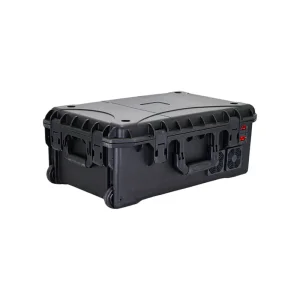
This rigorous alignment process ensures long-term pack integrity and prevents premature capacity loss. Every rack-mounted, wall-mounted, or mobile trolley-style energy storage system we produce undergoes 100% full-cycle aging tests, insulation resistance checks, and smart BMS communication calibration before leaving our factory floor.
For global enterprise procurement, safety and regulatory compliance are non-negotiable prerequisites. Shenzhen Grenergy ensures that its engineering procedures conform directly to international frameworks. Our operations are accredited with ISO9001, ISO14001, and ISO45001 management certifications, ensuring quality control, environmental stewardship, and occupational safety.
Our products possess comprehensive approvals for international distribution, including UL, CE, FCC, PSE, and UN38.3. This ensures compliance with regional power safety codes and allows for seamless air, sea, and land logistics. Recognizing the risk exposure in large-scale system deployments, we back all our products with a robust $3 Million USD Third-Party Product Liability Insurance plan. This protection guarantees peace of mind for our OEM distributors, utility vehicle suppliers, and system installers worldwide.
Understanding critical shifts in battery voltage design, high-frequency inverter compatibility, and the intelligence of modern battery management software.
The off-grid battery industry is undergoing a structural transition from low-voltage (12V, 24V, 48V) arrays to high-voltage (HV) systems (typically exceeding 100V to 512V nominal). High-voltage configurations dramatically reduce system current on the DC bus side. By operating at higher voltages, installer companies can use thinner copper cabling, saving significant material costs and dramatically decreasing copper line losses ($I^2R$). This optimization directly translates to higher overall round-trip efficiency (RTE) for off-grid hybrid setups.
Furthermore, the intelligence of the Battery Management System (BMS) is critical. Simple analog BMS circuits are being replaced by microcontrollers capable of closed-loop CANbus, RS485, and Modbus communication protocols. This integration allows the battery system to converse directly with popular off-grid hybrid inverters, transmitting dynamic charge parameters such as State of Charge (SOC), State of Health (SOH), temperature profiles, and maximum charge current limits in real-time.
To sustain competitive lead times and provide exceptional post-purchase support, modern manufacturers must combine a strong domestic manufacturing base with international distribution networks. Through active partnerships with leading global logistics hubs and energy organizations, Shenzhen Grenergy is establishing local technical support channels. Our goal is to minimize diagnostic delays for commercial off-grid operators.
Whether troubleshooting CAN communication protocols, providing replacement parts, or optimizing inverter-charge parameters, local engineering access is a critical asset. Our distributors receive direct access to Grenergy design schematics, software programming files, and hardware modifications, ensuring rapid resolutions.
Grenergy's battery systems are engineered to withstand extreme field parameters across diverse domestic and commercial environments.
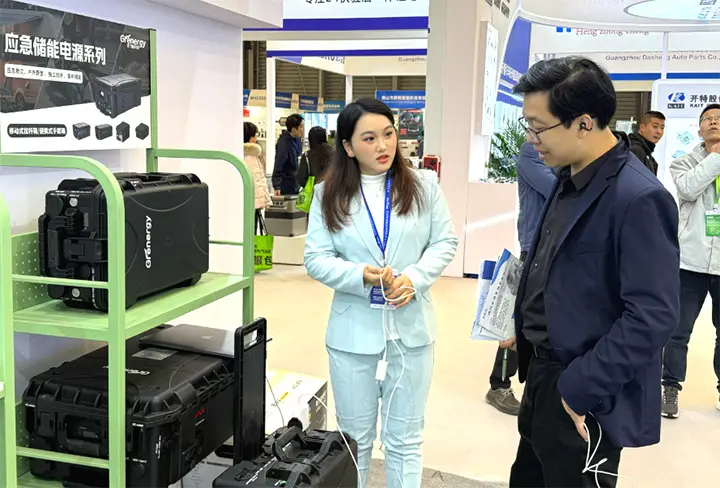
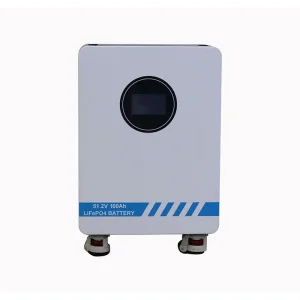
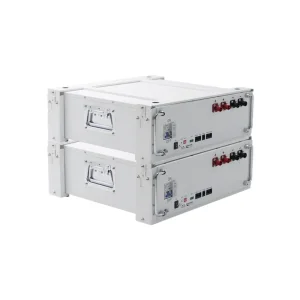
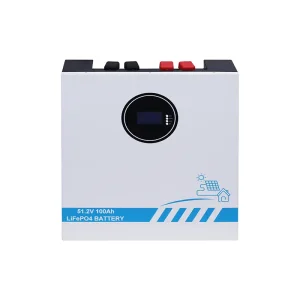
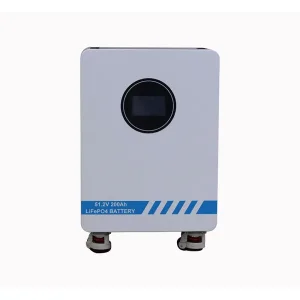
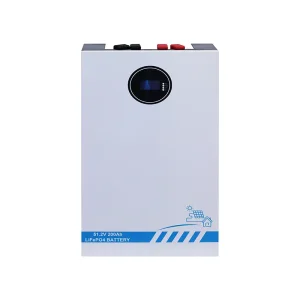
In remote regions where grid connections are physically or financially unfeasible, users rely on local diesel generators paired with PV panels. When running generators continuously, fuel consumption is highly inefficient at low load levels. A high-voltage floor-mounted cabinet style battery (e.g., 51.2V 200Ah ESS Battery) acts as the central buffer.
During solar generation peaks, surplus energy is stored in the battery cells. During night hours, the battery powers the load. If the state of charge drops below a set threshold, the smart dry contacts on the inverter send a signal to auto-start the generator. This runs the generator at its optimal thermal efficiency point to charge the batteries, reducing fuel consumption by up to 40%.
Mobile application environments require batteries that can handle continuous mechanical vibrations, shock loading, and erratic temperature swings. Lead-acid alternatives suffer from sulfation and safety concerns under high charge rates, while NMC chemistries risk combustion in high-stress vehicle compartments.
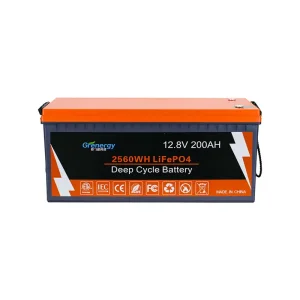
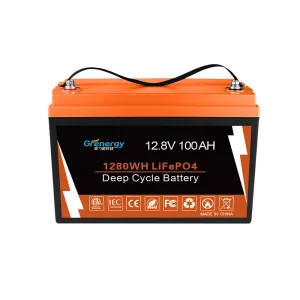
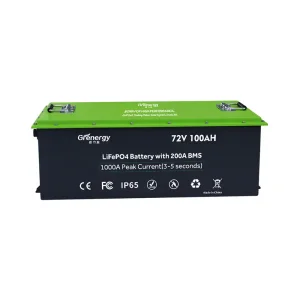
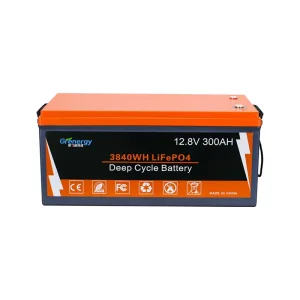
Grenergy's 12.8V 300Ah high-capacity LiFePO4 RV batteries feature reinforced internal structural cells, potted electrical connections, and anti-vibration framing. For golf carts and low-speed utility vehicles, our high-voltage 76.8V battery modules deliver high peak surge current. This ensures rapid motor torque response without voltage sagging, maximizing cart uptime.
Get professional answers to critical technical questions regarding off-grid generator battery design, safety, integration, and procurement.
 Grenergy