Explore our engineered lineup of residential, portable, and custom industrial battery storage solutions optimized for global distribution and integration.
As global energy systems transition rapidly away from centralized fossil-fuel combustion toward distributed, intermittent renewable resources, the demand for utility-scale and decentralized energy storage system (ESS) solutions has experienced exponential growth. Grid instability, rising peak-demand electricity tariffs, and the imperative for carbon mitigation are forcing industrial enterprises, commercial developers, and residential builders to evaluate robust battery infrastructures.
Modern energy storage relies predominantly on Lithium Iron Phosphate (LiFePO4) chemistry due to its unparalleled thermal safety, high round-trip efficiency, and extended lifecycle. For wholesale buyers, understanding these technology transitions is essential for matching market demand with viable products.
By securing high-performance battery systems from reliable exporters, commercial aggregators and utility developers bypass local supply grid shocks, optimize peak-shaving efficiencies, and ensure continuous operation during unforeseen outages.

Analyzing the structural, supply-chain, and technological factors that position Chinese manufacturers at the forefront of global energy storage production.
Chinese production hubs, particularly in Shenzhen and neighboring provinces, host the world's most dense ecosystem of raw material processors, cell manufacturers, and BMS developers. This localized integration dramatically cuts lead times and allows rapid engineering cycles.
By scaling production units to gigawatt-hour (GWh) capacity levels, Chinese factories optimize the Levelized Cost of Storage (LCOS). This enables wholesale buyers to achieve competitive pricing points without sacrificing assembly quality or mechanical durability.
Whether adapting system configurations for extreme environments or developing custom form factors like trolley-box style storage or ultra-slim wall units, local factories utilize advanced CAD modeling and direct CNC prototyping to shorten validation cycles.
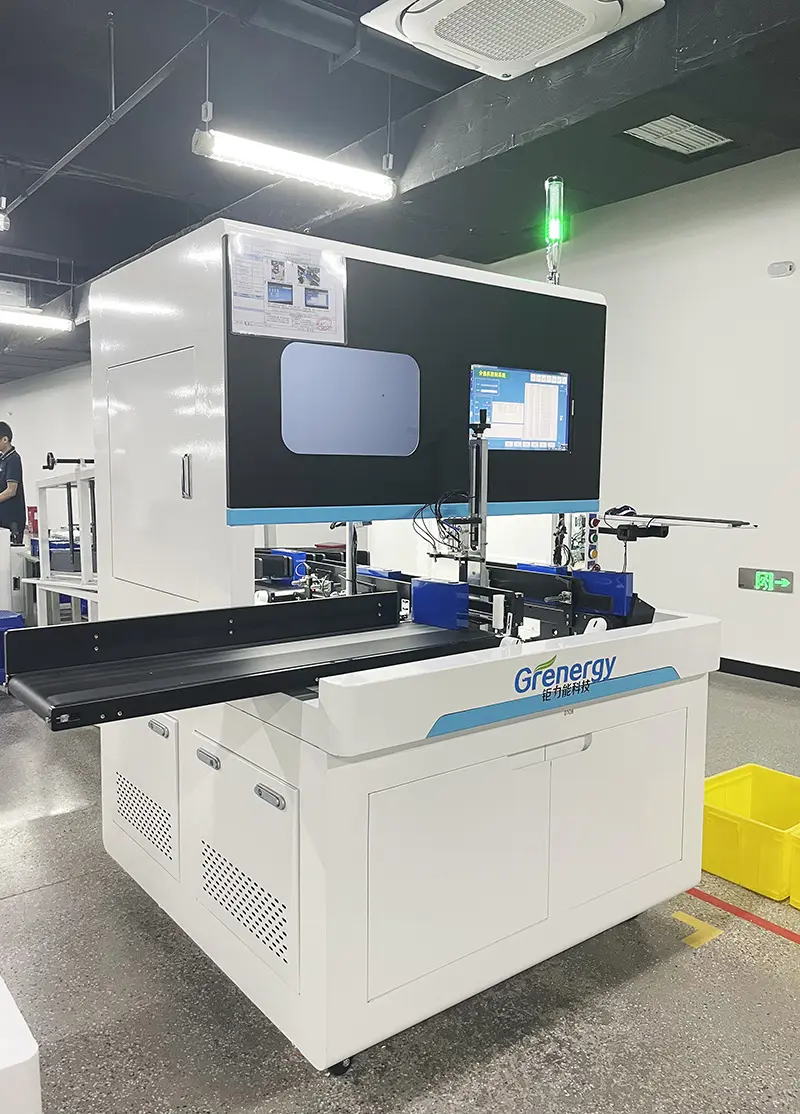
Established in 2010, Shenzhen Grenergy Technology Co., Ltd. is a high-tech enterprise specializing in R&D, manufacturing, and international export of premium lithium batteries, battery management systems (BMS), and all-in-one solar energy storage systems. Over a decade of innovation has consolidated our reputation as a trusted B2B OEM/ODM manufacturer.
Our diverse portfolio targets lead-acid replacement batteries, space-efficient wall-mounted power walls, high-capacity rack-mounted residential/commercial backup batteries, and portable/trolley power stations for outdoor and mobile deployment.
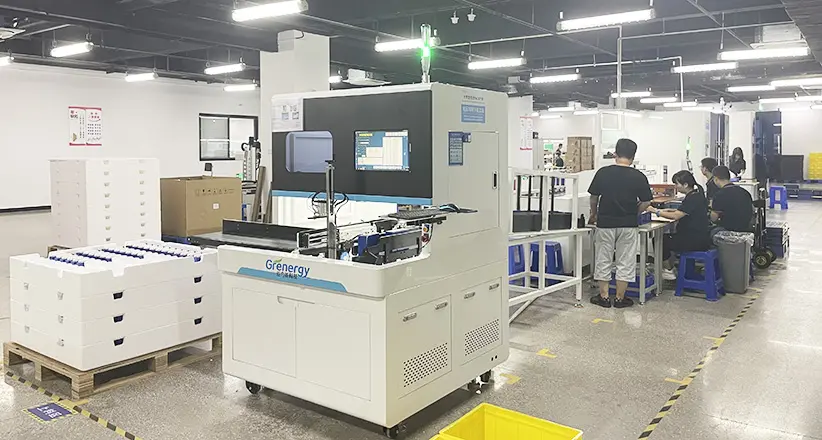
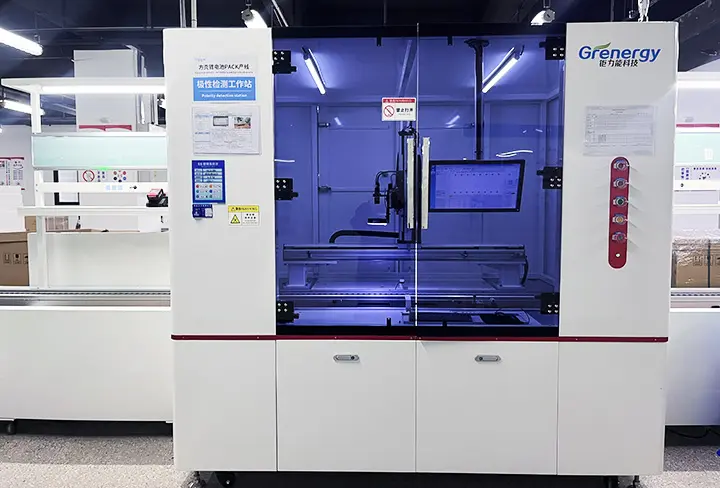
By continuously reinvesting in automated cell-matching systems and advanced automated welding facilities, we ensure that every lithium iron phosphate pack leaving our facility conforms to the highest standards of safety, efficiency, and structural integrity.
Global commercial procurement mandates rigid compliance protocols to mitigate physical risk and liability issues. At Grenergy, our operations comply with strict global safety, ecological, and transportation frameworks.
Our facilities maintain ISO9001, ISO14001, and ISO45001 certifications, reflecting our systematic approach to quality control, ecological balance, and workplace health.
To facilitate seamless import custom clearance and distribution, our products carry international approvals, including UL (Underwriters Laboratories), CE, FCC, PSE, and UN38.3 (for safe lithium transport). Furthermore, to provide complete transactional security for developers and EPC contractors, we cover our global portfolio with a $3 million USD product liability insurance policy.
Matching battery storage topologies to real-world deployment challenges across different residential, industrial, and transportation sectors.
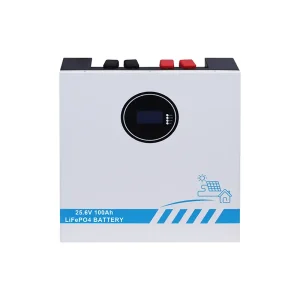
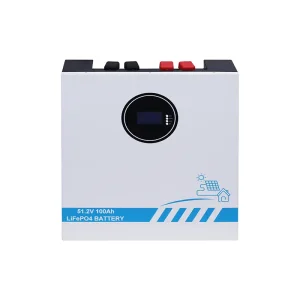
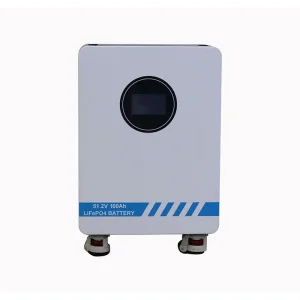
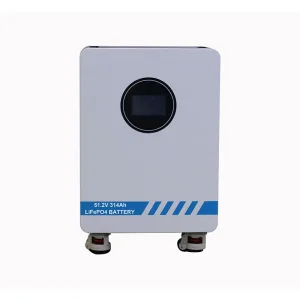
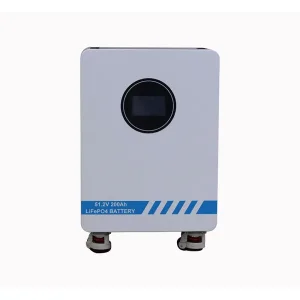
Utilizing high-voltage wall-mounted or floor-standing LiFePO4 configurations allows homeowners to maximize rooftop PV self-consumption, offset Time-of-Use (ToU) utility costs, and guarantee seamless failover backup during grid failures.
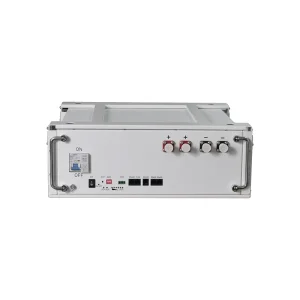
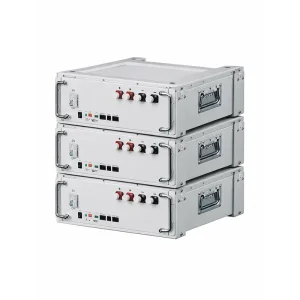
For factory installations, rack-mounted cabinet batteries (such as our 51.2V 314Ah lines) discharge during peak demand hours, lowering peak capacity charges. They also serve as high-capacity UPS networks for critical manufacturing lines.
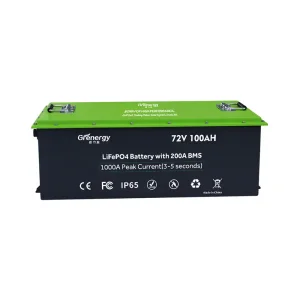
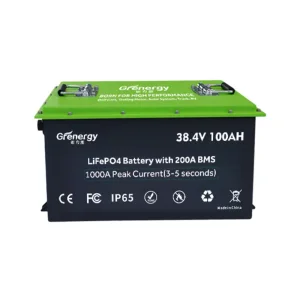
Custom deep-cycle 76.8V and 100Ah lithium packs provide the sustained discharge currents and high cycle life required by modern golf carts and commercial utility vehicles, outperforming legacy lead-acid cells in energy density and lifespan.
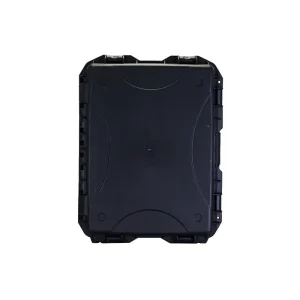
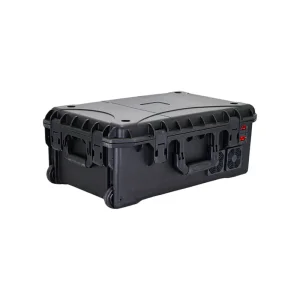
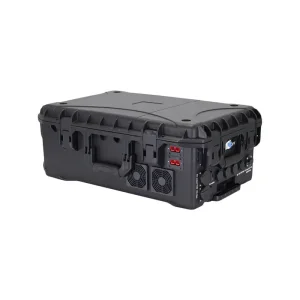
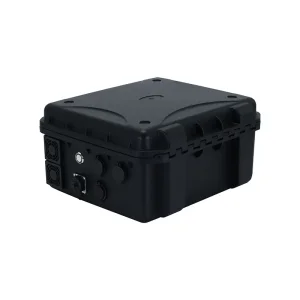
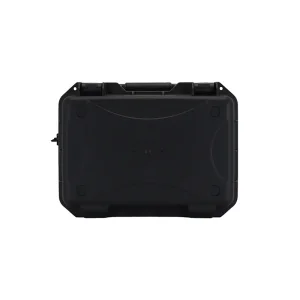
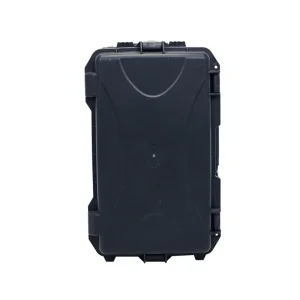
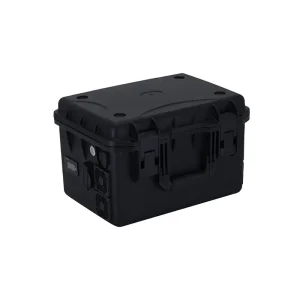
For field operations, humanitarian relief, telecommunications maintenance, and outdoor leisure, access to reliable off-grid power is crucial. Grenergy's portable trolley-box stations integrate inverter components, BMS systems, and thermal management into robust, impact-resistant cases.
Equipped with heavy-duty handles and robust wheels, units such as our 3.84kWh and 7.68kWh trolley power stations supply stable, pure-sine wave AC electricity. They feature quick-recharging capabilities from solar arrays, utility grids, or vehicle alternators.
What forward-looking wholesale buyers and distribution agents must keep in mind to remain competitive.
The utility-scale energy sector is quickly shifting from 280Ah prismatic cells to the newer 314Ah format. This higher cell density allows manufacturers to increase containerized pack capacity within the same footprint, reducing structural costs and balance-of-system (BOS) expenses.
Modern energy storage relies heavily on intelligent Battery Management Systems (BMS). A smart BMS manages state-of-health (SoH) diagnostics, monitors cell voltage balance, provides thermal runaway protection, and integrates with global IoT protocols for remote cloud performance monitoring.
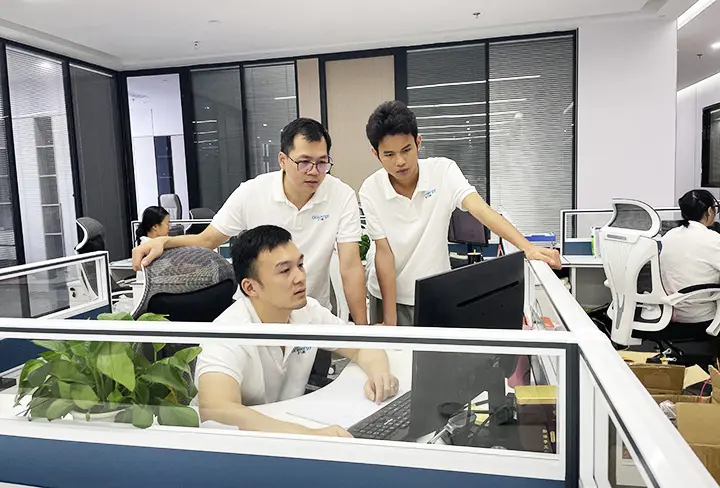
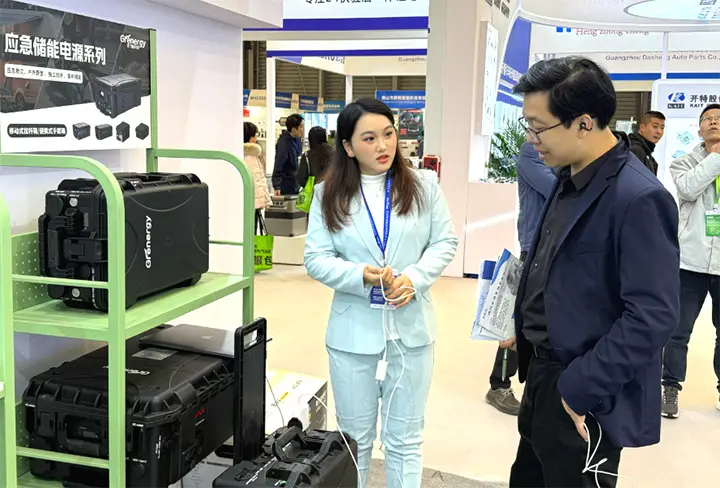
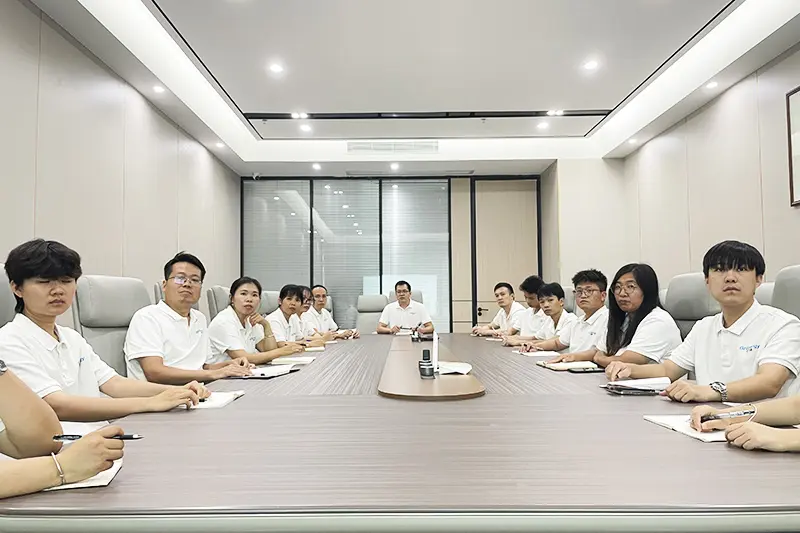
At Grenergy, we view our relationships as collaborative partnerships designed to advance sustainable energy globally. By aligning with tier-one suppliers of lithium-iron raw materials and inverter components, we ensure that every system integration offers exceptional quality and performance.
Our core mission is to assist engineering, procurement, and construction (EPC) contractors, solar distributors, and regional manufacturers in making the transition to reliable renewable energy storage efficient and cost-effective.
"Partnering with Grenergy for custom floor-mounted battery packs has streamlined our solar installations across Northern Europe. Their installer-friendly wall-mounted design reduced our deployment times by 30%."
— Operations Director, European Renewable Solutions Firm
"Grenergy's high-capacity 51.2V rack-mounted units offer excellent cycle life. The $3 million USD product liability insurance gave our compliance board the confidence to select Grenergy as our primary energy storage partner."
— Principal Engineer, Microgrid Developer, North America
Technical answers and compliance advice for engineers, developers, and wholesale buyers sourcing energy storage systems.
Select from our high-voltage cart batteries, cabinet backup systems, and heavy-duty portable power units.
 Grenergy