Explore the technical parameters and engineering implementations of our custom-manufactured LiFePO₄ modules designed for off-grid living, utility backups, and industrial electric mobility.
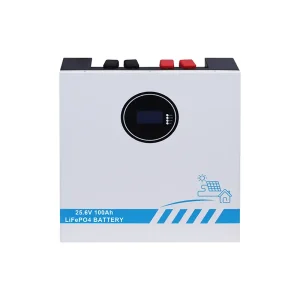
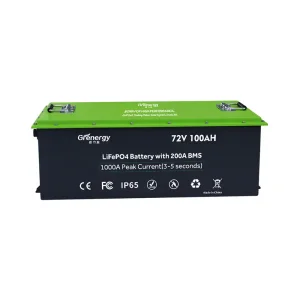
The global transition toward localized renewable power demands energy density, safety, and operational longevity that legacy systems cannot match. At Shenzhen Grenergy Technology Co., Ltd., we engineer the solid-state architecture for this transition. Utilizing advanced Lithium Iron Phosphate (LiFePO₄) chemistries, our storage solutions stabilize voltage, manage peak loads, and secure energy autonomy for residential, commercial, and industrial ecosystems globally.
As strategic exporters, we resolve the dual pressures faced by procurement officers: obtaining competitive, wholesale-tier pricing from premium Chinese manufacturing lines while ensuring rigorous compliance with Western regulatory grids. This document explores the architectural, systemic, and supply-chain realities that sustain high-yield solar integration.

Established in 2010, Grenergy has spent over a decade refining the integration of Lithium-ion cells, advanced battery management system (BMS) topologies, and physical enclosures capable of withstand extreme environmental thermal loading. We operate on a foundation of technology-first development, converting basic lithium chemistry into responsive grid infrastructure.
Safety in energy storage is non-negotiable. Thermal runaway prevention and cell balancing are handled by proprietary BMS boards engineered in-house. Our compliance matrix represents systematic dedication to risk reduction, holding certified status under ISO9001, ISO14001, ISO45001. For cross-border logistics and market accessibility, all products comply with UL, CE, FCC, PSE, and UN38.3 requirements.
By insuring our entire catalog with a $3 million USD third-party liability policy, we guarantee that installers, developers, and wholesale distributors are legally and financially insulated against operational exceptions.
Securing a stable energy supply chain requires leveraging regional clusters where raw material extraction, processing, and assembly occur in geographical proximity. The Shenzhen manufacturing corridor provides Grenergy with direct, friction-free access to raw battery precursors, structural grade alloys, and high-performance semiconductors.
Through deep integration with Tier-1 raw cell suppliers, we secure top-grade A-class LiFePO₄ cells with certified degradation curves. This eliminates the risk of high internal resistance and capacity fading typical of secondary-tier suppliers.
Unlike simple assembly shops, Grenergy designs custom circuit pathways, over-voltage protections, and cell balancing algorithms. This optimizes system lifespans up to 6,000 charge cycles at 80% Depth of Discharge (DoD).
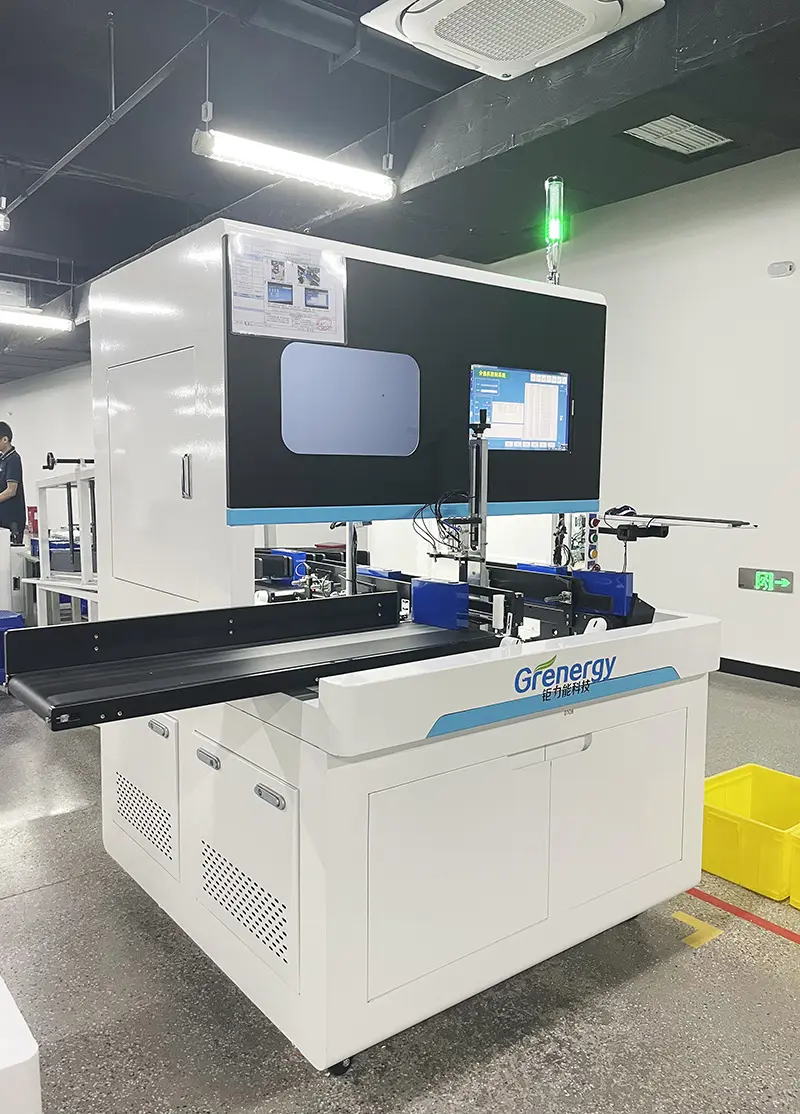
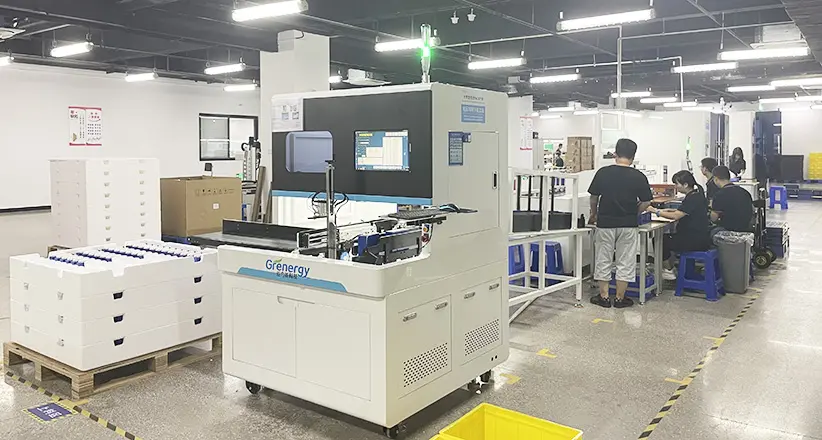
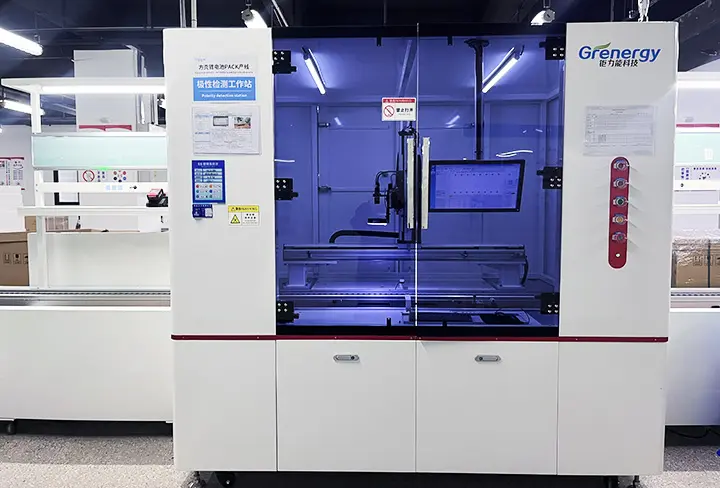
Our facility features automated assembly lines and heavy-load aging chambers. We execute large-scale, high-voltage rack orders and custom portable station volumes without introducing quality drift.
Global procurement managers face complex design challenges. An off-the-shelf residential battery rarely satisfies the physical footprint, thermal tolerances, and protocol interfaces (such as CANbus, RS485, or Modbus) required by commercial field projects or specialty vehicles.
Grenergy bridges this gap with comprehensive OEM and ODM support. From initial mechanical CAD layouts to prototype environmental chamber stress-testing, our engineering department ensures the final output operates within specification.
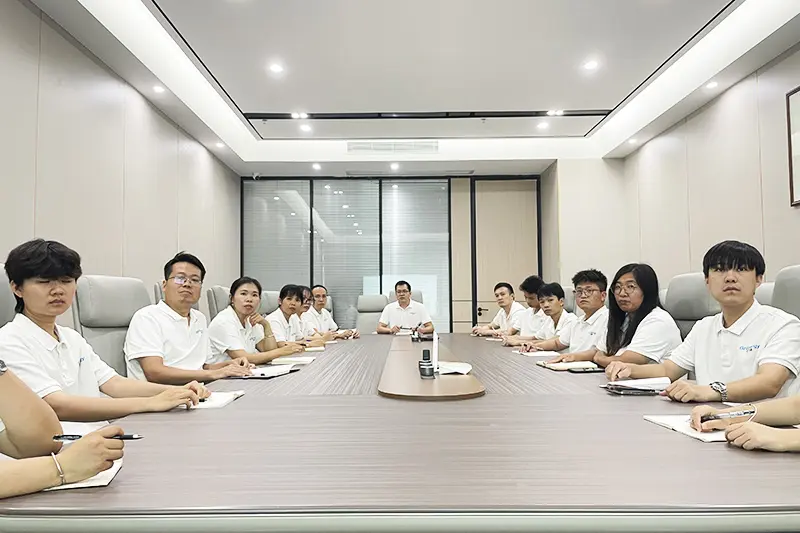
Compare specifications for our core commercial, residential, and recreational vehicle energy products. This data reflects standard configurations. Custom voltage, capacity, and BMS communication protocols are available via our ODM design team.
| Product Category | Nominal Voltage (V) | Nominal Capacity (Ah) | Energy Storage (Wh/kWh) | Primary Form Factor / Application |
|---|---|---|---|---|
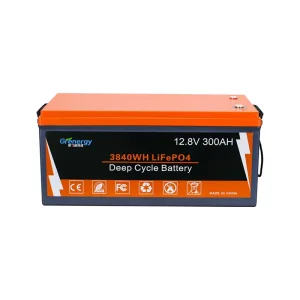
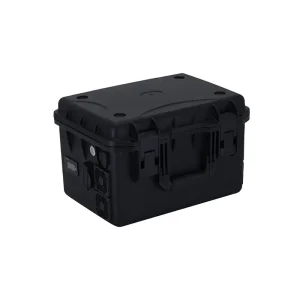
| High-Capacity RV Battery | 12.8 V | 300 Ah | 3,840 Wh | Deep-Cycle Leisure Marine & RV Chassis integration |
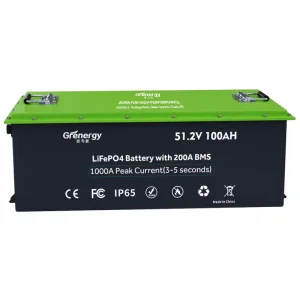
| Golf Cart Battery Pack | 51.2 V | 100 Ah | 5,120 Wh | Industrial Utility Electric Vehicles / Off-Road Carts |
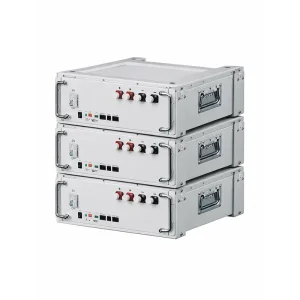
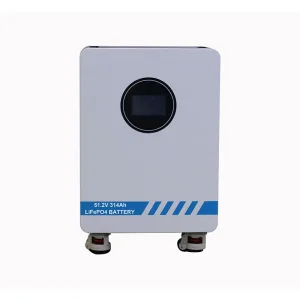
| Rack-Mounted ESS Module | 51.2 V | 314 Ah | 16.07 kWh | Server Rack & Commercial Microgrid Scalable Arrays |
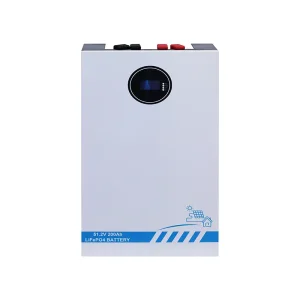
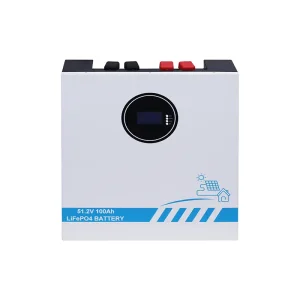
| Wall-Mounted Home Battery | 51.2 V | 100 Ah | 5,120 Wh | Residential Clean Energy Solar Storage (Powerwall alternative) |
| High-Voltage EV Lithium Pack | 76.8 V | 100 Ah | 7,680 Wh | Heavy Duty Material Handling / Commercial AGVs |
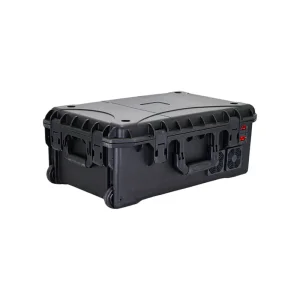
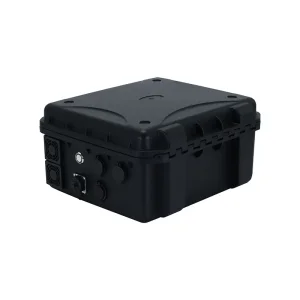
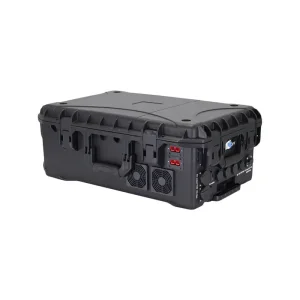
| Trolley Mobile Power Station | Variable Output | Multi-channel | 7.68 kWh | Emergency Field Response, Grid Maintenance & Construction |
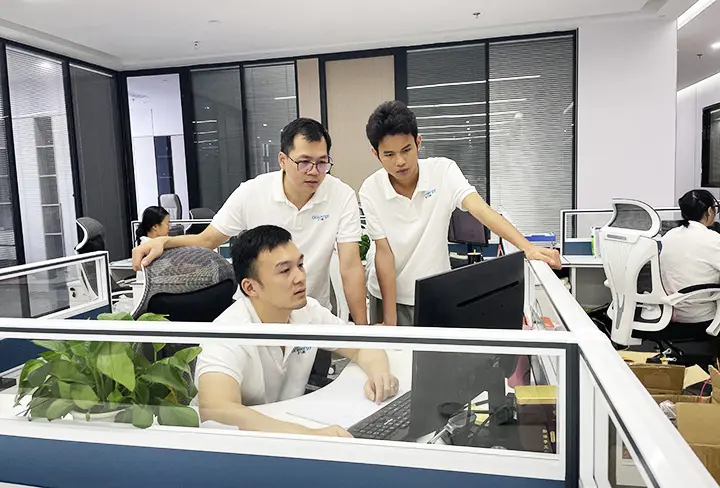
Exporting large-format lithium batteries requires navigating complex, market-specific safety standards. In the European Union, products must comply with the Battery Regulation (EU) 2023/1542 and hold CE/RoHS certification. In North America, meeting UL 1973 (stationary batteries) and UL 9540A (thermal runaway fire testing) is essential for installation approval.
Grenergy proactively designs products to pass these stringent compliance barriers. Every batch undergoes high-current discharge testing, vibration profiling, and structural drop tests.
Furthermore, to ease the risk profile for overseas distributors, our $3,000,000 USD Product Liability Insurance provides global coverage. This safety net, combined with localized technical documentation and engineering support, ensures that our partners can bid on municipal and utility-scale projects with confidence.
Energy storage systems operate under diverse environmental and electrical constraints depending on location. Here is how Grenergy adapts its products to meet specific localized requirements:
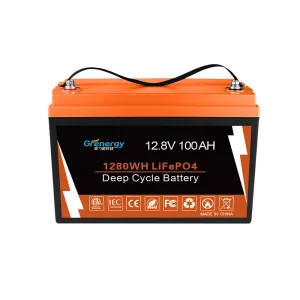
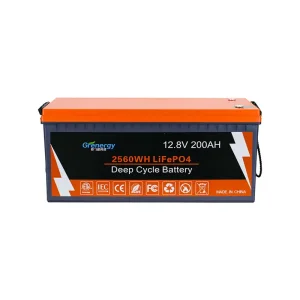
Designed for remote locations, our 12.8V 300Ah and 200Ah deep-cycle batteries feature built-in heating elements. This allows safe charging in sub-zero climates, making them ideal for high-latitude operations in Scandinavia, Canada, and the Northern United States.
In areas with high peak energy rates, like Germany or California, our wall-mounted and floor-mounted systems store excess solar energy generated during the day. This energy is then discharged during peak evening rates, reducing monthly grid costs.
Our scalable, rack-mounted 51.2V 314Ah systems protect industrial operations against demand charges. By discharging stored power during high-consumption periods, facilities can flatten their load profiles and lower utility bills.
At Grenergy, our mission goes beyond manufacturing batteries. We aim to build the infrastructure for a cleaner, more resilient global energy grid. We believe that transitioning to renewable energy requires reliable, scalable storage that keeps the lights on even when the sun sets.
Through continuous investments in research and development, we have established ourselves as a trusted global exporter. We partner with energy distributors, system integrators, and OEM developers worldwide to deliver clean, dependable power wherever it is needed.
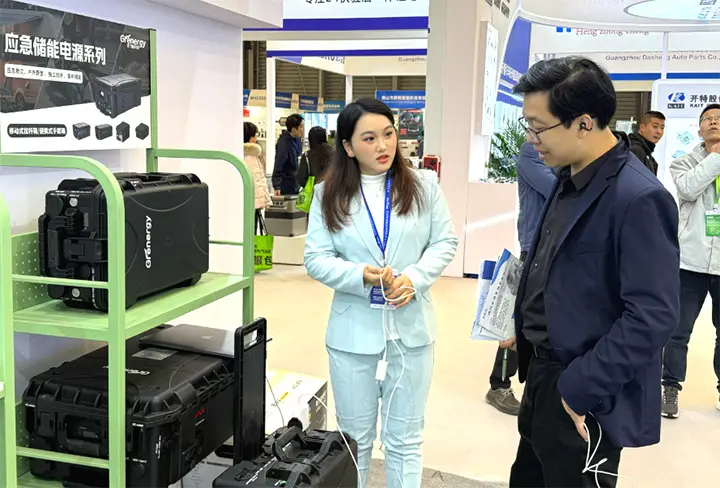
We work closely with global logistics networks and engineering firms to ensure safe, efficient transport of our Lithium-ion batteries. Our products are packaged to meet international shipping regulations for hazardous materials (Class 9), ensuring smooth customs clearance and timely delivery to your warehouse or project site.
Understanding the future of energy storage is crucial for making long-term procurement decisions. Here are the key trends driving the industry forward:
The market is shifting from standard 280Ah cells to high-capacity 314Ah cells. This change increases energy density at the rack level without requiring a larger physical footprint, helping to reduce overall balance-of-system (BOS) costs.
Modern BMS networks do more than monitor voltage; they actively analyze performance trends. By predicting thermal anomalies and calculating accurate state-of-health (SoH) metrics, these systems prevent unexpected downtime.
Batteries must perform reliably in diverse climates. Manufacturers are integrating advanced cooling channels, dynamic heating elements, and IP67-rated enclosures to ensure stable operation in both hot desert environments and freezing winter conditions.
Driven by ethical and economic factors, the industry continues to move away from cobalt-based chemistries (NMC/LCO) toward Lithium Iron Phosphate (LFP) and upcoming sodium-ion alternatives.
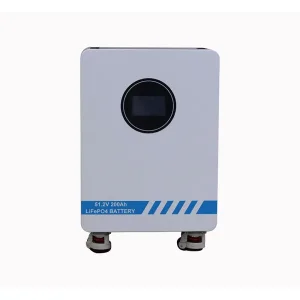
Review our selection of high-capacity backup systems, floor-mounted battery cabinets, and mobile power stations engineered for emergency use and off-grid utility backup.
 Grenergy