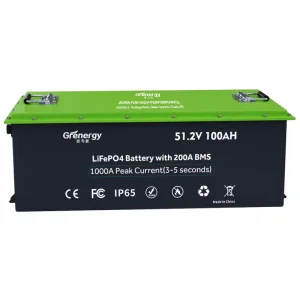
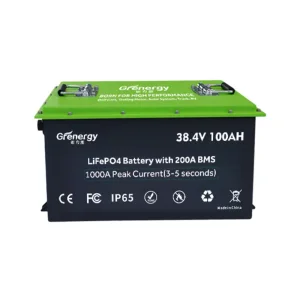
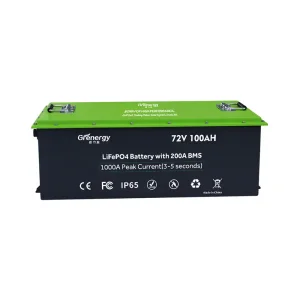
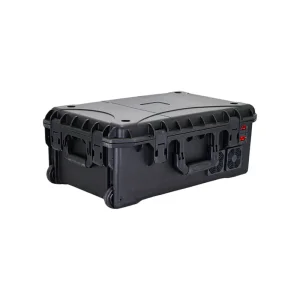
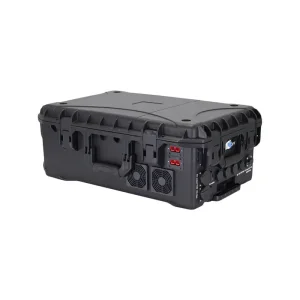
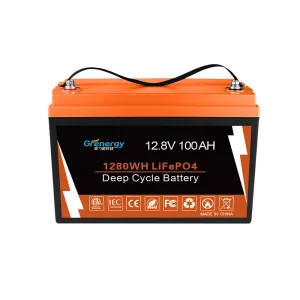
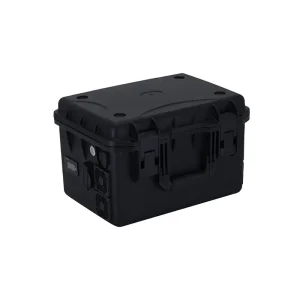
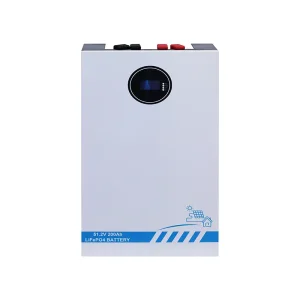
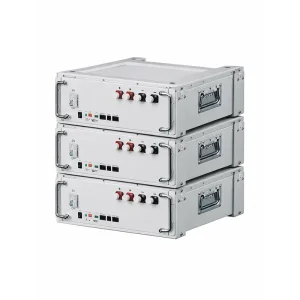
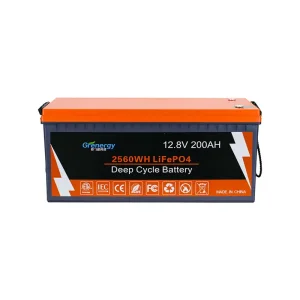
Explore our flagship lithium golf cart batteries engineered for extended range, extreme heat tolerance, and zero-maintenance durability.
The Republic of Iraq is experiencing a significant industrial and commercial restructuring. Across the federal zones and the Kurdistan Region of Iraq (KRI), including Erbil, Baghdad, Basra, and Sulaymaniyah, there has been a notable surge in demand for light electric vehicles (LEVs), utility electric cars, and customized golf cart fleets. This trend is driven by massive real estate expansions, gated residential developments, airports, municipal campuses, oil and gas security zones, and eco-tourism initiatives.
However, the harsh environment of Iraq—characterized by ambient summer temperatures exceeding 50°C, high concentrations of airborne silica dust, and micro-grid electrical challenges—demands energy solutions that go far beyond standard off-the-shelf options. Traditional lead-acid batteries fail prematurely under these conditions due to acid evaporation and plate corrosion. This whitepaper analyzes the business case, chemistry, thermal physics, and import infrastructure for high-performance Lithium Iron Phosphate (LiFePO₄) golf cart batteries, helping Iraqi procurement managers optimize operational longevity and maximize return on investment (ROI).
Iraqi utility fleets face extreme operational stresses. During the summer peak, temperatures in places like Basra and central Baghdad can exceed 52°C. Inside an enclosed battery bay of a golf cart or electric transport vehicle, the internal temperature can climb to 65°C. For traditional lead-acid or standard lithium chemistries, this accelerates capacity fade and risks thermal runaway.
To solve this issue, our batteries are built with grade-A Lithium Iron Phosphate (LiFePO₄) cells, which are highly stable up to 60°C. In addition, our integrated smart BMS features thermal protection that cuts off charge/discharge currents if temperatures reach unsafe thresholds.
Another major factor is sand and fine dust. The Iraqi desert and frequent dust storms can easily penetrate standard electrical systems. Our industrial utility vehicle batteries feature IP67 hermetically sealed aluminum enclosures. This prevents micro-abrasive dust from settling on internal connections, preventing tracking faults, short circuits, and early battery failure.

Shenzhen Grenergy Technology Co., Ltd., established in 2010, is a high-tech enterprise specializing in the research, development, and manufacturing of lithium batteries, energy storage systems, power batteries, battery management systems (BMS), and all-in-one energy solutions. Driven by technological innovation and global quality standards, Grenergy has grown to become a leading provider of sustainable energy solutions for diverse applications worldwide, from personal golf carts to massive industrial utility fleets.
Over the past decade, we have built a diverse portfolio featuring lead-acid replacement lithium batteries, wall-mounted power walls, portable power stations, home energy storage solutions, and robust industrial golf cart battery packs. Our focus is on enhancing energy efficiency while reducing overall environmental impact, and we work closely with engineering teams in Iraq and globally to design custom configurations.
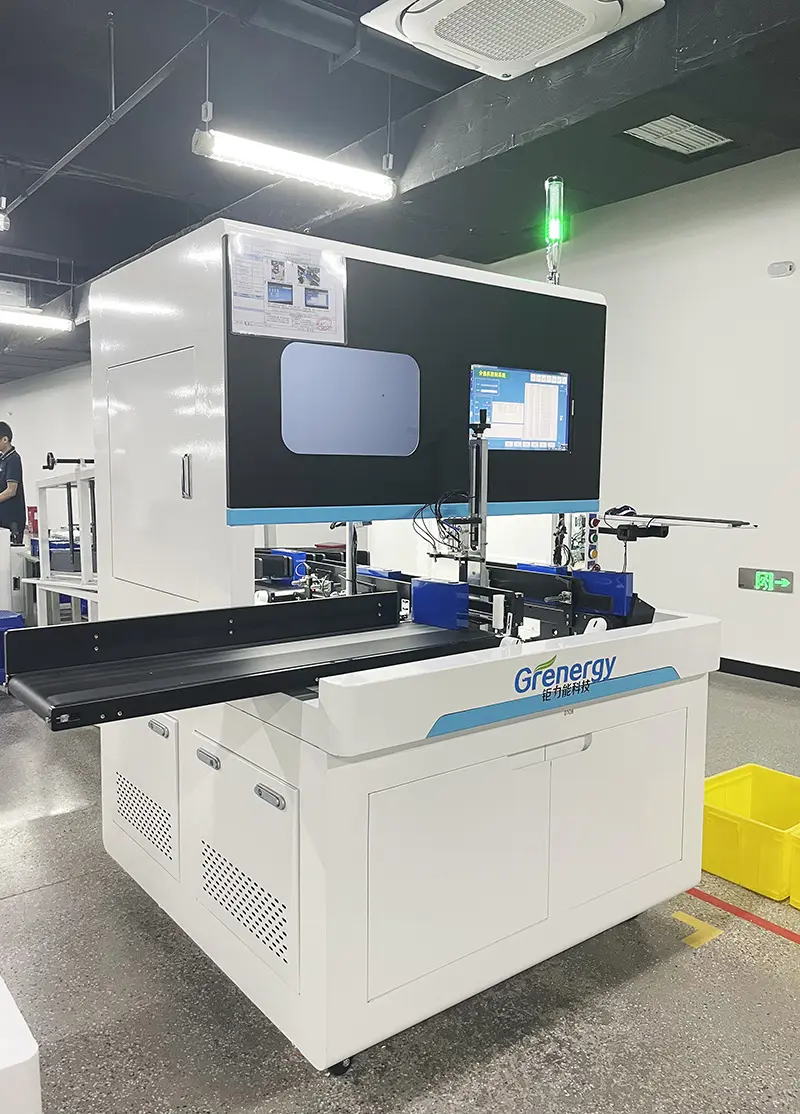
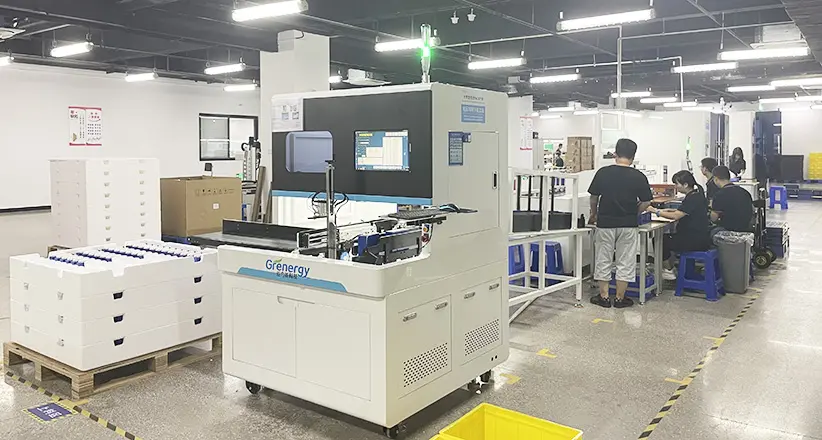
Industrial Manufacturing Scale & Quality Control: Operating nearly 10,000 square meters of state-of-the-art production space and staffed by over 200 highly skilled professionals, Grenergy meets high-volume international sourcing requirements with ease. Our systems are certified under international management and safety standards including ISO9001, ISO14001, ISO45001, UL, CE, FCC, PSE, and UN38.3. For added peace of mind, all exports are covered by a $3 million USD product liability insurance policy.
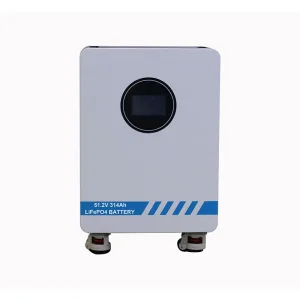
Given the grid stability challenges in several regions of Iraq, fleet operators are increasingly pairing golf carts and utility vehicles with solar micro-grids. Our high-voltage battery modules (e.g., 76.8V systems) are designed to integrate seamlessly with hybrid solar inverters and off-grid solar arrays. This makes it possible to charge golf cart fleets during the day using solar power, storing the excess energy in stationary storage blocks to charge the fleet overnight.
This solar-coupled charging model helps reduce electricity costs, ensures uninterrupted operations during grid outages, and significantly lowers carbon footprints. Large commercial sites in Erbil and industrial plants in Basra are already testing these systems, using solar charging canopies to turn local solar energy into daily transportation power.
Shipping industrial lithium batteries internationally requires careful logistics planning due to their classification as Class 9 Dangerous Goods. Grenergy has over a decade of experience coordinating shipments with international freight forwarders, ensuring smooth delivery to all parts of Iraq.
Whether shipping via sea to the Umm Qasr Port in Basra or arranging air freight to Baghdad International Airport or Erbil International Airport, we provide all required documentation. This includes MSDS sheets, UN38.3 test reports, Certificate of Origin paperwork, and compliance documentation for the Iraqi Central Organization for Standardization and Quality Control (COSQC). We also work closely with local clearance agents to minimize customs delays and ensure safe, compliant delivery.
Answers to common questions from procurement managers and engineers when upgrading Iraqi vehicle fleets to lithium batteries.
Lead-acid batteries suffer from accelerated water loss and plate corrosion at temperatures above 30°C. This often limits their service life in Iraq to under 12 months. LiFePO₄ chemistry features a much higher thermal threshold, preserving cell health even during intense summer heat. Additionally, lithium batteries offer over 6,000 charge cycles, whereas lead-acid batteries typically manage only 300 to 500 cycles under similar conditions.
We ship batteries as Class 9 Dangerous Goods (UN3480) via trusted maritime lines to the Umm Qasr Port in Basra, or via air cargo to Erbil or Baghdad airports for urgent projects. Production usually takes 25 to 35 days depending on customization, and shipping transit ranges from 20 to 30 days. We provide full MSDS, UN38.3 test summaries, and dangerous goods certificates to make customs clearance as smooth as possible.
Yes. Our golf cart battery packs are designed to drop directly into standard battery trays. We offer standard voltages (36V, 48V, and 72V) that work directly with standard electric motor controllers. Each battery pack includes a compatible smart charger to replace your old lead-acid charger.
Grenergy is ISO9001, ISO14001, and ISO45001 certified. Our batteries are certified under UL, CE, FCC, PSE, and UN38.3 standards. To provide extra security for our business partners, all of our products are covered by a $3 million USD product liability insurance policy.
Choose from our wide range of golf cart and energy storage solutions, optimized for performance and reliability across Iraq.
 Grenergy