Engineered for high safety, seamless modular scaling, and optimal interoperability with major Korean residential inverters.
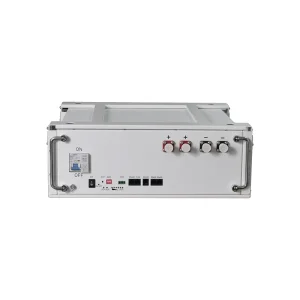
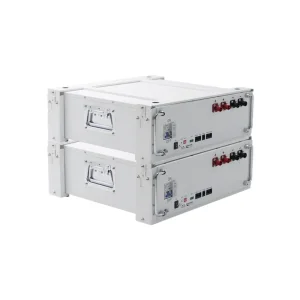
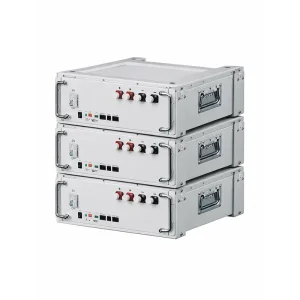
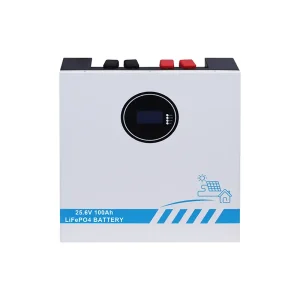
South Korea stands at the forefront of the global energy transition, characterized by aggressive decarbonization strategies, a high density of high-tech manufacturing, and structural grid adjustments. As the nation targets carbon neutrality, the implementation of distributed energy resources (DERs) has transitioned from an auxiliary objective to a structural imperative. The Ministry of Trade, Industry and Energy (MOTIE) has continuously revised policies, notably the Basic Plan for Electricity Supply and Demand, highlighting the critical role of behind-the-meter (BTM) energy storage solutions.
In residential domains, South Korea's housing landscape is uniquely dominated by high-density high-rise apartments and mixed-use complexes. This spatial structure creates unique constraints for battery safety, footprint, and thermal dissipation. Residential energy storage systems (ESS) in Korea are increasingly paired with rooftop solar installations under the K-RE100 (Korean Renewable Energy 100) framework. Furthermore, the Korea Electric Power Corporation (KEPCO) employs a progressive electricity tariff system with significant peak-versus-off-peak pricing differentials. Home energy storage batteries allow residential consumers to bypass high progressive rate brackets by charging during cheap midnight hours and discharging during daytime peak demand periods.
On the commercial and small-to-medium enterprise (SME) front, companies face high demand charges linked to peak capacity utilization. By utilizing rack-mounted LiFePO4 batteries, local factories, IT server centers, and retail parks can engage in active peak shaving. This integration reduces overall grid strain and significantly lowers monthly utility charges. The Korean market demands strict adherence to native communications protocols and safety frameworks, requiring high-voltage configurations to maximize round-trip efficiency (RTE) and minimize conversion losses.
To successfully integrate energy storage into South Korean applications, system design must adapt to rigorous performance and environmental criteria. From Jeju Island's microgrid projects combating wind-power curtailment to high-rise metropolitan Seoul residential complexes, the demands on safety and reliability are paramount.
Unlike suburban residential settings in Western markets, Korean home energy storage is frequently installed in utility rooms, covered balconies, or basement equipment areas. This requires zero-tolerance safety designs. Our transition to high-capacity LiFePO4 (Lithium Iron Phosphate) chemistry is directly aligned with mitigating thermal runaway risks. Compared to conventional NCM (Nickel Cobalt Manganese) chemistries, LFP offers a significantly higher thermal runaway onset temperature (above 270°C) and structural stability. This safety profile is reinforced by dual-layer fire-retardant enclosures and integrated aerosol fire suppression systems within cabinet modules.
The Korean home energy market is shifting rapidly toward High-Voltage (HV) battery configurations. Traditional Low-Voltage (48V/51.2V) batteries remain excellent for modular setups, but HV architectures (ranging from 200V to over 400V) drastically reduce energy conversion losses in matching DC-DC links inside hybrid inverters. This design also lowers structural cable cross-section requirements, simplifying indoor installations.
A key criteria for South Korean installers is plug-and-play capability with domestic inverter brands. The CAN/RS485 and Modbus interfaces on our battery management systems (BMS) are programmatically pre-configured to communicate seamlessly with inverters from manufacturers such as Hanwha Q CELLS, Hyosung, SMA, and others. Real-time diagnostic telemetry, including State of Charge (SoC), State of Health (SoH), cell temperatures, and balancing metrics, are mapped directly to native monitoring apps.
Looking to the future, our technical roadmap incorporates active testing of semi-solid-state designs. By replacing volatile liquid electrolytes with robust semi-solid-state alternatives, we expect to push energy densities past 200 Wh/kg while virtually eliminating leak risks. This innovation addresses the high premium that Korean urban planners place on space and long-term asset safety.
Shenzhen Grenergy Technology Co., Ltd. leverages its strategic position within China's premier battery technology hub to secure raw materials and maintain manufacturing agility. Our highly integrated supply chain guarantees access to top-tier LFP cells, specialized raw materials, and robust micro-electronics for BMS assembly.
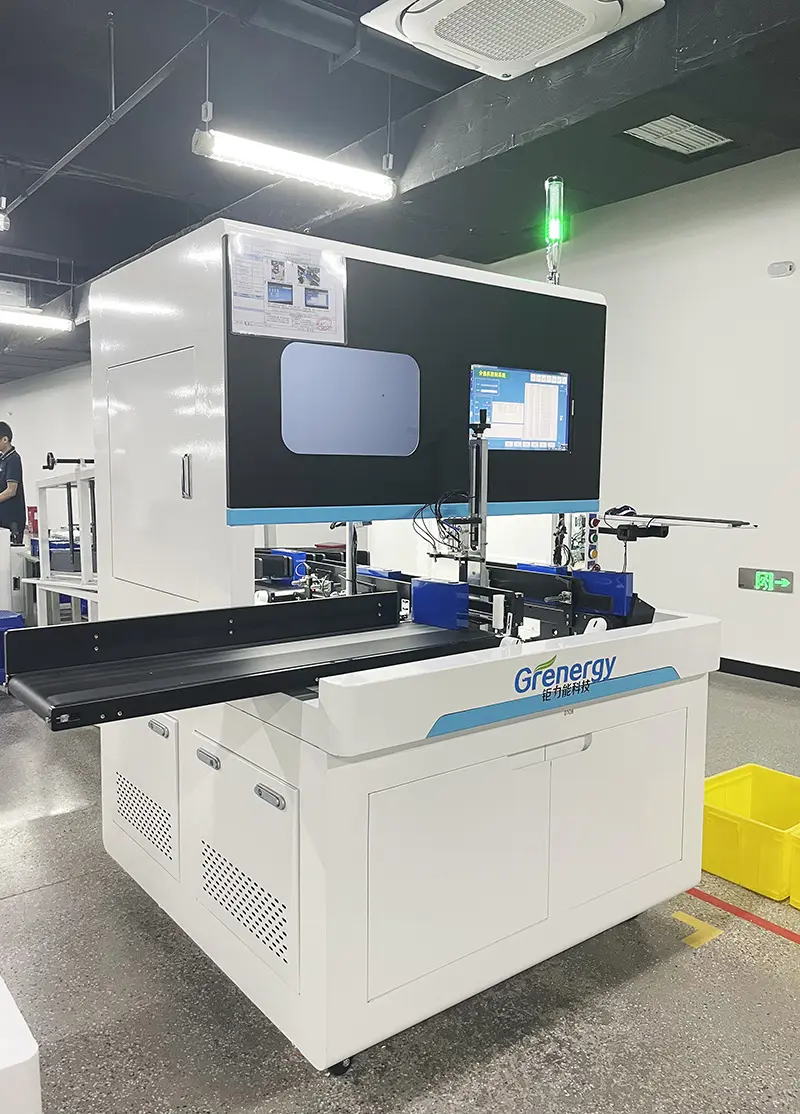
Through giga-scale procurement channels, automated laser welding, and automated cell sorting systems, we maintain precise cell-to-cell consistency. This manufacturing precision minimizes capacity degradation and maintains thermal balance across all configurations. Our optimized supply chain enables us to offer competitive pricing without compromising on strict quality control benchmarks.
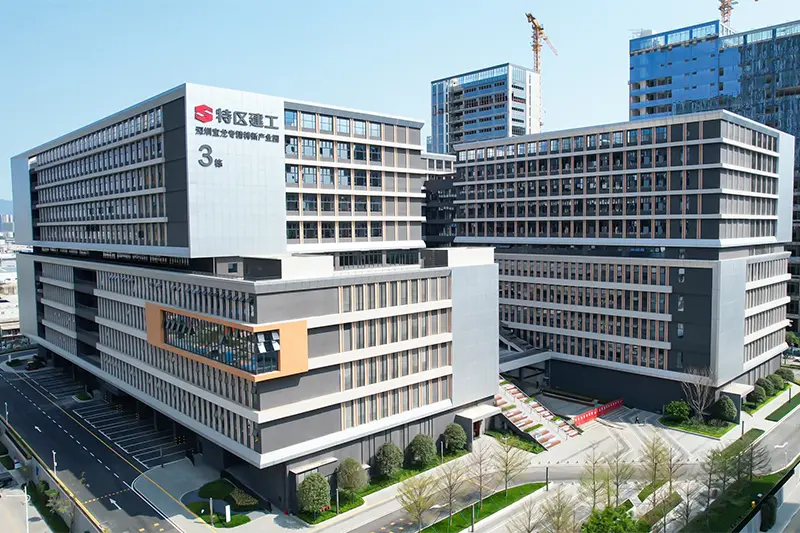
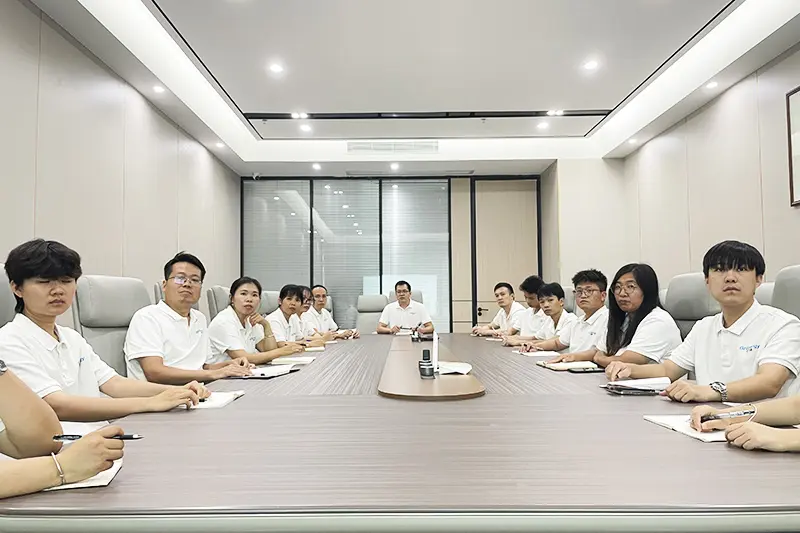
Established in 2010, Shenzhen Grenergy Technology Co., Ltd. is a high-tech enterprise specializing in the R&D and manufacturing of lithium batteries, energy storage systems, power batteries, battery management systems, and all-in-one green energy solutions. With a strong commitment to technological innovation, Grenergy has become a leading provider of energy solutions for various applications worldwide.
Since our establishment, we have focused on developing sustainable energy solutions to meet the growing demand for efficient, reliable, and eco-friendly power systems. Over more than 10 years of expertise, Grenergy has developed a diverse product portfolio, including lead-acid replacement lithium batteries, wall-mounted power walls, portable power stations, mobile home energy storage systems, trolley box portable power stations, and custom high-voltage packs.
Grenergy’s products support various OEM and ODM customized services, allowing us to tailor solutions that meet specific client needs. Operating a 10,000-square-meter state-of-the-art production space with a team of 200 highly skilled professionals, we are equipped to deliver high-quality products at scale.
Over the years, we have consistently met international industry standards, earning certifications such as ISO9001, ISO14001, ISO45001, UL, CE, FCC, PSE, and UN38.3. Furthermore, to provide complete confidence and trust for our global clients, we back our entire product line with a third-party product liability insurance policy valued at $3 million USD.
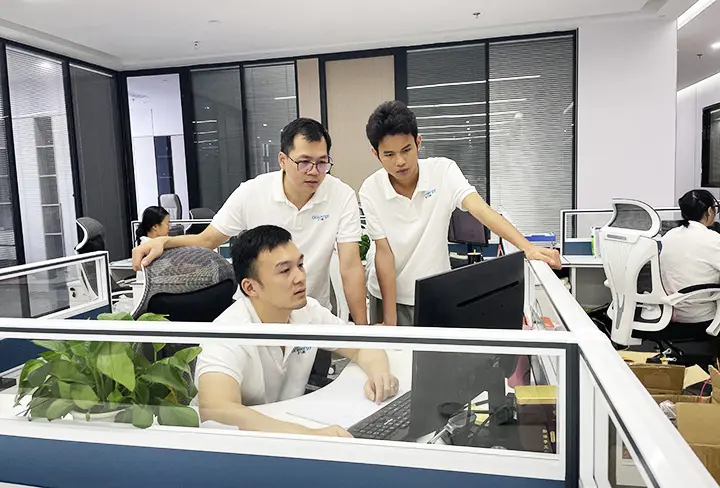
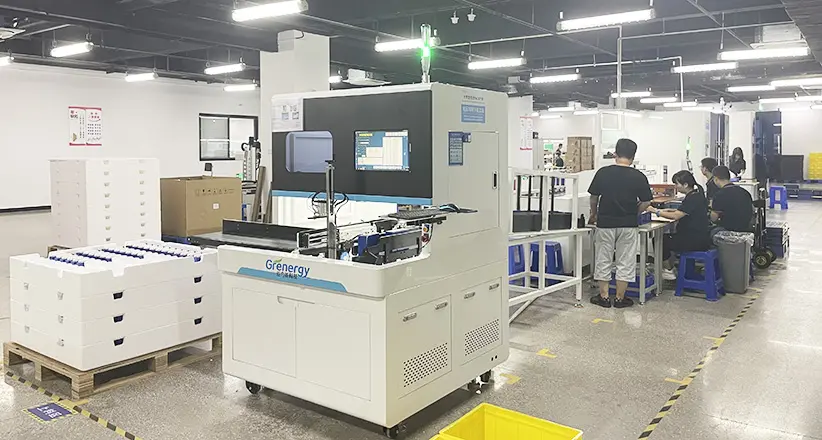
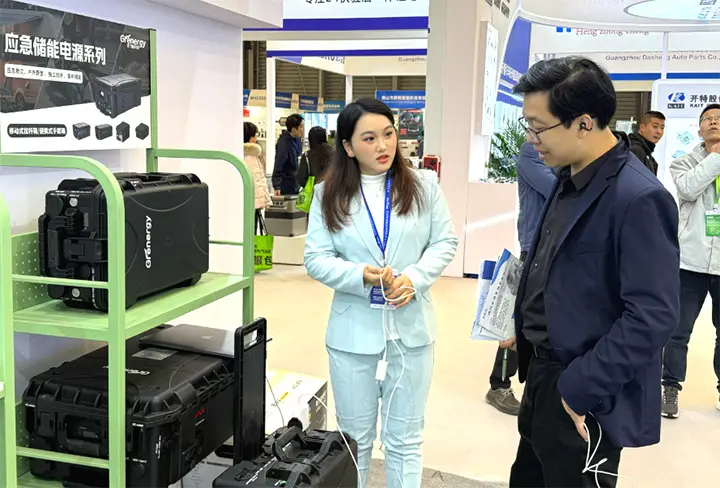
We are proud to have partnered with some of the world’s leading organizations, utility providers, and technology distributors. These collaborations help us bring the latest advancements in energy storage and battery management system (BMS) technologies to market, providing our clients with the most efficient, safe, and innovative solutions available.
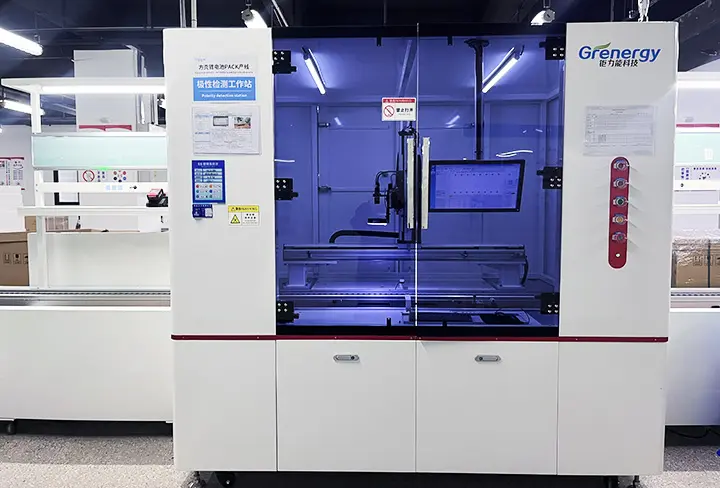
Our clients trust us to provide safe, high-performance energy storage systems that meet their needs. With global customers across various industries, including renewable energy, manufacturing, and transportation, we have built a reputation for delivering reliable, top-quality products that perform under demanding conditions.
Importing energy storage systems into South Korea requires navigating strict safety and grid compliance standards. The Korean market mandates adherence to specialized certifications to ensure environmental safety and structural grid stability.
The KC 62619 certification is a mandatory safety standard for lithium-ion batteries used in industrial and energy storage applications within South Korea. It covers extensive safety metrics, including overcharging protection, thermal runaway management, drop testing, and internal short-circuit resistance. Our factories work closely with accredited third-party testing centers to supply certified battery modules that align with South Korea's stringent fire safety codes.
To integrate seamlessly with the South Korean national grid overseen by KEPCO, storage systems must conform to Electromagnetic Compatibility (EMC) requirements. Our systems are built with EMI-shielded components and advanced active line filters to prevent high-frequency interference with smart home electronics and utility communication lines.
We offer comprehensive export documentation for Korean customers, including detailed MSDS (Material Safety Data Sheets), UN38.3 test summaries, and Certificate of Origin documents to simplify customs clearance processes. Additionally, our support network assists local engineering partners in completing necessary KEPCO grid integration documentation.
Expert clarifications regarding technical parameters, safety codes, and operational parameters in South Korea.
Although South Korea is home to leading NCM battery manufacturers, residential ESS installations are increasingly shifting toward LiFePO4 (LFP) due to its high thermal stability. LFP chemistry does not release oxygen during high-temperature decomposition, reducing the risk of thermal runaway. LFP also offers up to 6,000 life cycles at 80% Depth of Discharge (DoD), yielding a lower total cost of ownership over a 10-15 year operating lifespan.
Yes. We design our energy storage systems to comply with international and regional safety frameworks, including KC 62619 and KC 62133. Our OEM/ODM service helps customize structural cells, active safety relays, and BMS safety profiles to meet the compliance protocols required by Korean authorities.
Our rack-mounted and wall-mounted battery systems deliver a round-trip efficiency (RTE) exceeding 95% under standard conditions (0.2C rate, 25°C). This high efficiency minimizes energy loss during charge and discharge cycles, which is critical for maximizing tariff arbitrage performance on KEPCO's time-of-use pricing models.
Our intelligent BMS supports CAN bus, RS485, and Modbus RTU communication protocols. We provide pre-programmed firmware protocols that match the communication frames of major inverters used in Korea. Custom protocol matching is also supported during the ODM integration phase.
LiFePO4 batteries experience reduced charging efficiency when temperatures drop below freezing (0°C). To address this, our systems can be configured with built-in BMS-managed heating elements. These integrated heating pads warm the cells using a small portion of the input current prior to initiating charging, ensuring stable performance down to -20°C.
Our third-party product liability insurance offers worldwide coverage, including in South Korea. It covers properties and users against damage resulting from verified manufacturing defects, offering peace of mind to commercial partners, real estate developers, and utility operators.
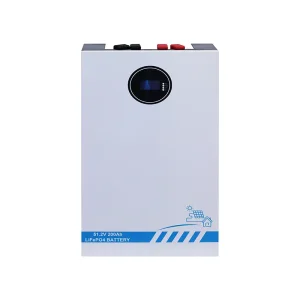
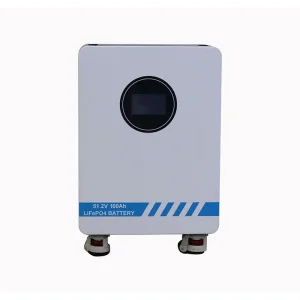
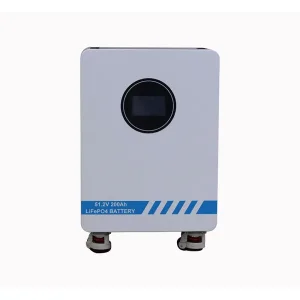
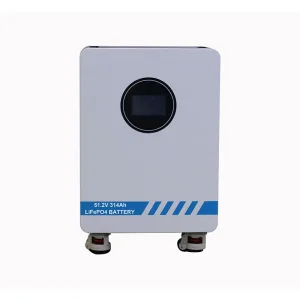
Yes, our wall-mounted residential series supports parallel configuration. Depending on the model, you can connect up to 15 modules in parallel to expand capacity without requiring external active control hardware, keeping installations simple.
For standard customized configurations, our production lead time at our Shenzhen facility is typically 25 to 35 days from technical confirmation. For complex custom shell designs or specialized BMS engineering projects, lead times may vary.
Explore our complete catalog of certified wall-mounted, floor-mounted, and cabinet energy storage solutions.
 Grenergy