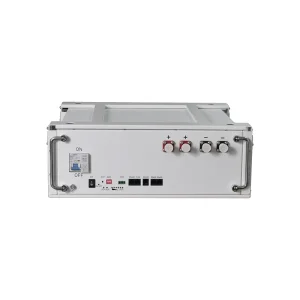
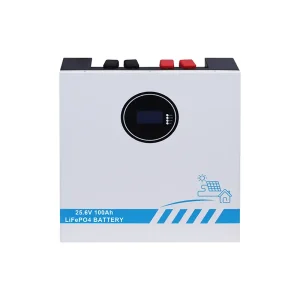
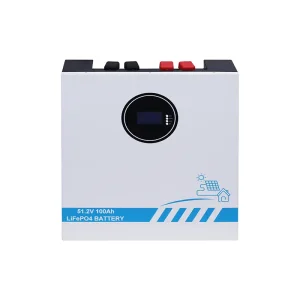
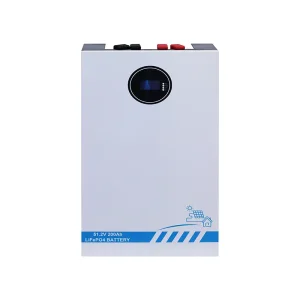
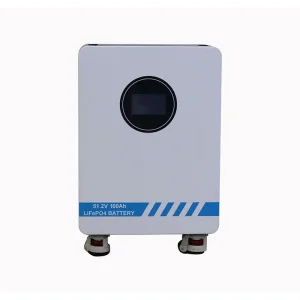
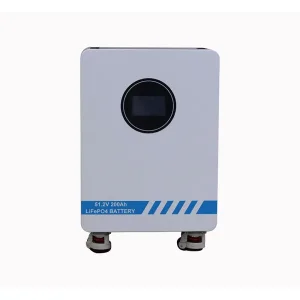
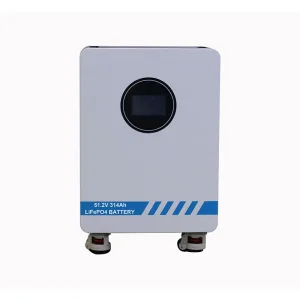
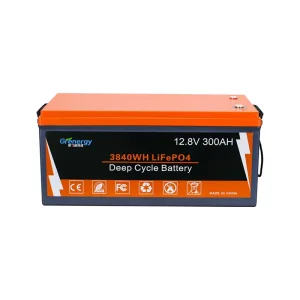
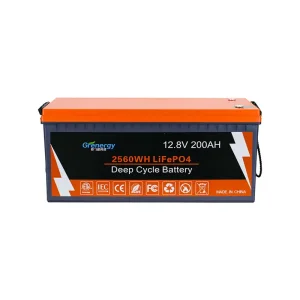
Explore our highly integrated, CEC-ready residential and commercial lithium iron phosphate (LiFePO4) storage systems, designed to withstand Australian climate conditions.
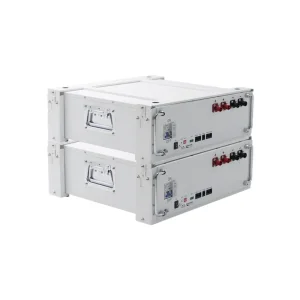
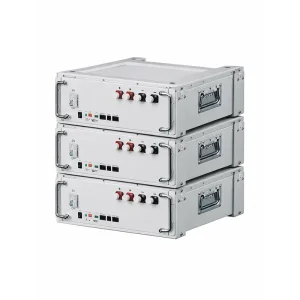
Australia boasts one of the highest per-capita penetrations of rooftop solar photovoltaics (PV) in the world. As state governments in New South Wales, Victoria, Queensland, and South Australia aggressively transition away from fossil fuel baseload generation, grid management faces unprecedented stability challenges. The transition is marked by the erosion of Feed-in Tariffs (FiTs) and the emergence of the "solar sponge" phenomenon—where midday solar abundance depresses wholesale electricity prices to negative values, only for prices to spike during evening peaks.
For Australian commercial integrators, energy retailers, and EPC contractors, this dynamic represents both an operational challenge and a massive commercial opportunity. Simply exporting solar generation to the grid is no longer economically viable. To capture ROI, businesses and residential consumers must store localized generation to shift usage to peak demand hours. This requires energy storage systems (ESS) engineered with high C-rate capacities, robust round-trip efficiency, and communication layers built for advanced dispatch strategies.
Additionally, Australia’s unique physical geography presents challenging environmental operating factors. Systems deployed in regions like the Pilbara, Central Australia, or even suburban Adelaide must perform reliably under ambient temperatures exceeding 45°C. At Grenergy, we engineer specialized thermal mitigation architectures into our battery systems to ensure prolonged cycle life and avoid thermal derating under harsh environmental stressors.
Key indicators dictating system requirements across Australian grids:
Our systems are specifically optimized to meet all local safety codes, simplifying utility approvals and system deployment.
Beyond simple backup power, modern energy storage forms the cornerstone of decentralized grid architectures.
Our residential and commercial systems feature advanced Modbus/CAN bus communication protocol mapping, enabling seamless integration with localized VPP control software. Fast response times (<50ms) allow aggregated systems to support the Australian Energy Market Operator (AEMO) during grid contingencies.
Off-grid operations in Western Australia and Northern Territory rely on robust microgrids. Our systems deliver high-voltage scaling (up to 1000V DC) and dynamic grid-forming capabilities. They integrate smoothly with diesel generators, reducing fuel dependencies by up to 60%.
For Australian commercial enterprises facing high network demand tariffs, our peak-shaving control loops optimize building power usage. Commercial systems automatically discharge during peak-demand pricing windows, providing immediate financial relief.
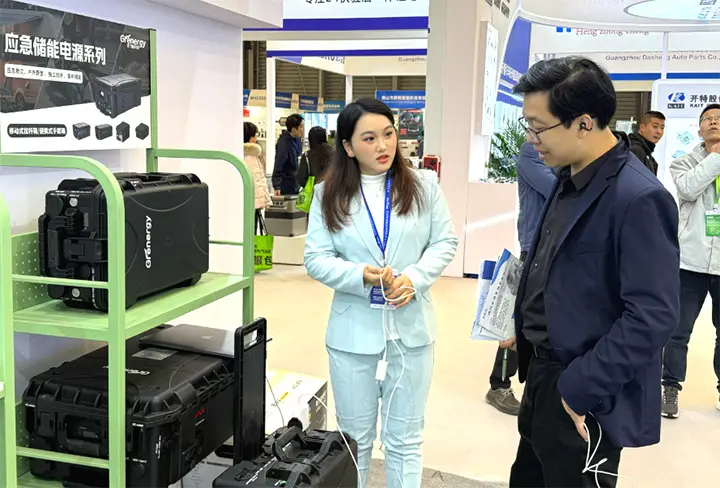
As standard lithium-ion energy density nears thermodynamic limits, the industry is shifting toward materials and cell structures that maximize safety, cycle durability, and cost-efficiency. Our technological roadmap is designed to address these requirements:
Standard residential and small commercial systems have historically relied on 100Ah or 280Ah prismatic LFP cells. Grenergy is integrating ultra-large 314Ah cells into our high-capacity rack-mounted and floor-mounted systems. These cells provide critical benefits:
For niche industrial applications and extreme environments, we are testing Sodium-ion (Na-ion) cell chemistry. Sodium-ion represents an exceptional alternative for low-temperature operations (-20°C to 0°C) and provides a secure, cobalt-free raw material supply chain. Simultaneously, our solid-state research promises a future of highly safe, high-energy systems for high-density applications.
Entering and operating in the Australian energy market requires adherence to rigorous testing and certification standards. Grenergy designs all systems to meet these strict benchmarks.
In Australia, safety regulations for battery storage installations are among the most stringent in the world. Compliance is a prerequisite for grid-connected projects and system safety:
This standard governs safety hazards associated with battery systems. Our floor-mounted and wall-mounted enclosures utilize high-durability thermal barriers and tested venting paths. This simplifies installer compliance and streamlines approval times with local distribution networks (DNSPs).
To qualify for Small-scale Technology Certificates (STCs) and state-based battery rebates, systems must be listed on the Clean Energy Council approved list. Grenergy's battery storage lines undergo strict testing to ensure they are listed and eligible for all local incentives.
Our battery management systems (BMS) support CAN communication protocols compatible with major hybrid inverters approved under the AS/NZS 4777.2 grid connection framework.
Our manufacturing and engineering facilities are certified to international and Australian standards, ensuring reliable product delivery:
Every Grenergy energy storage product is backed by global product liability insurance, providing high operational peace of mind for EPCs and developers.
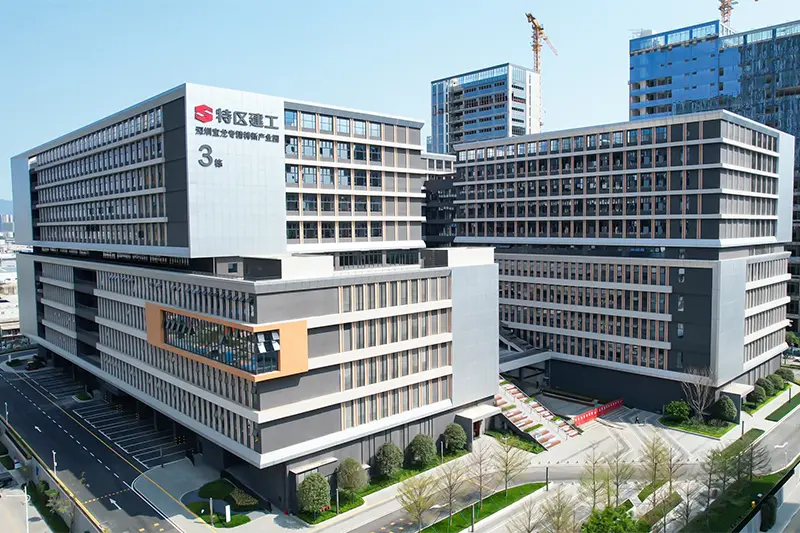
Founded in 2010, Shenzhen Grenergy Technology Co., Ltd. operates a modern, 10,000-square-meter facility with over 200 skilled professionals. Our factory uses advanced automated production systems to deliver high reliability and cost-efficiency.
Battery production requires precision engineering. Our cleanroom facilities employ automated robotic placement, high-precision laser welding, and automated aging testing systems. This setup ensures consistency across cells and modules, which is vital for long-term safety and performance.
Furthermore, our integrated supply chain and location in Shenzhen allow us to source high-grade raw materials directly. This control helps reduce production lead times, ensuring stable pricing and reliable delivery to global projects.
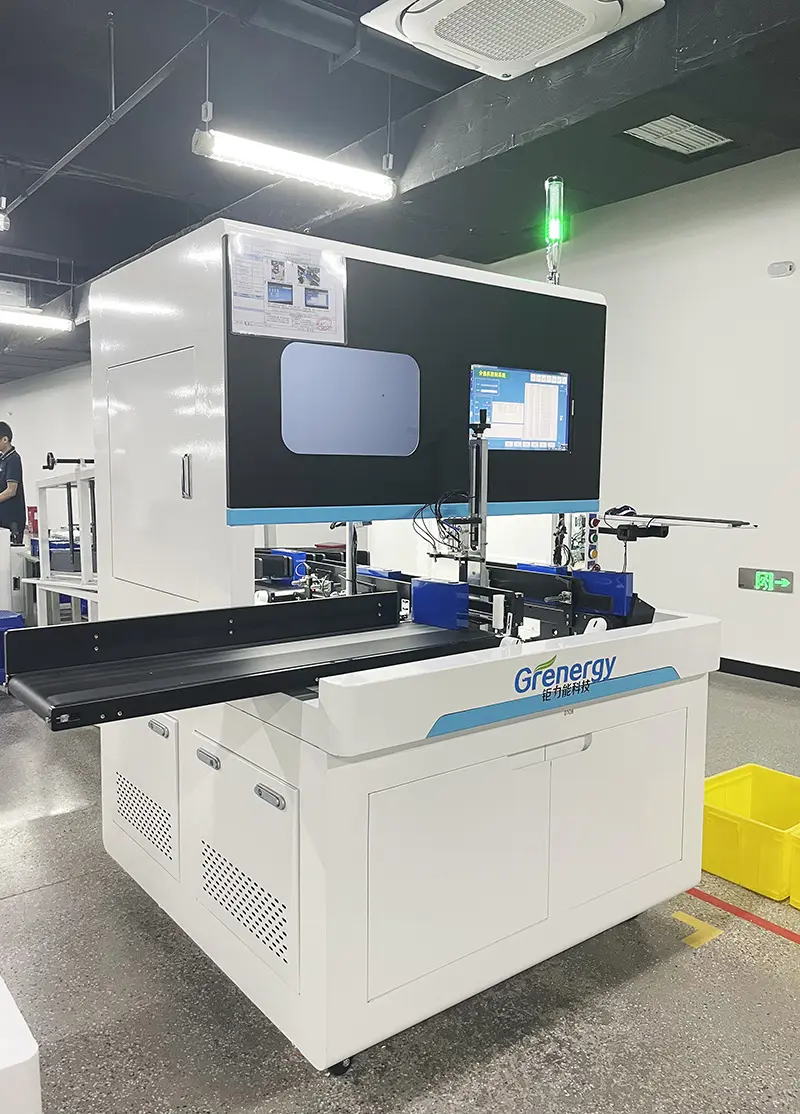
We test each cell for capacity, internal resistance, and voltage curve alignment before pack assembly to ensure balanced performance.
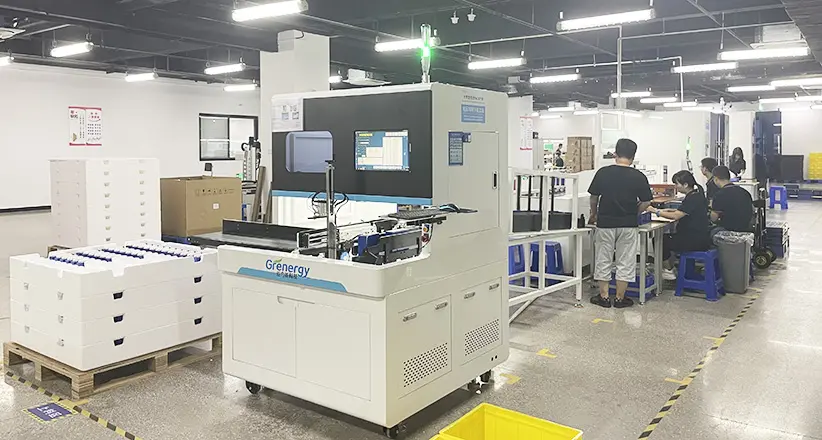
Our modules undergo thermal chambers and physical stress testing to simulate up to 10 years of use under load.
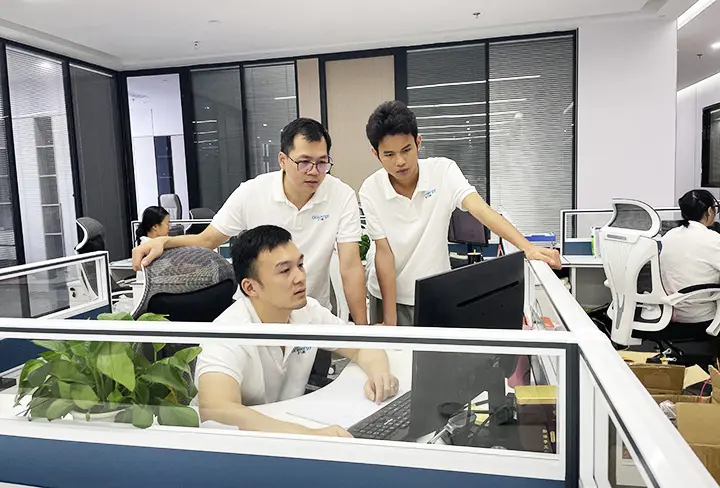
We design custom form factors, communication layers, and voltages to meet the specific requirements of our global partners.
A complete selection of low-voltage and high-voltage battery storage systems, deep-cycle RV batteries, and mobile power stations.
For large-scale developers and wholesale distributors, managing international logistics and import processes is a critical part of project planning. Grenergy supports bulk procurement with tailored logistical solutions:
We arrange shipping routes from our Shenzhen facility to major Australian ports, including Sydney (Port Botany), Melbourne, Brisbane, and Fremantle. Depending on your project schedule, we offer flexible shipping options:
Lithium batteries are classified as Class 9 Dangerous Goods. We ensure all shipments include required documentation, including UN38.3 test reports, Material Safety Data Sheets (MSDS), and sea transport certifications, preventing custom clearance delays.
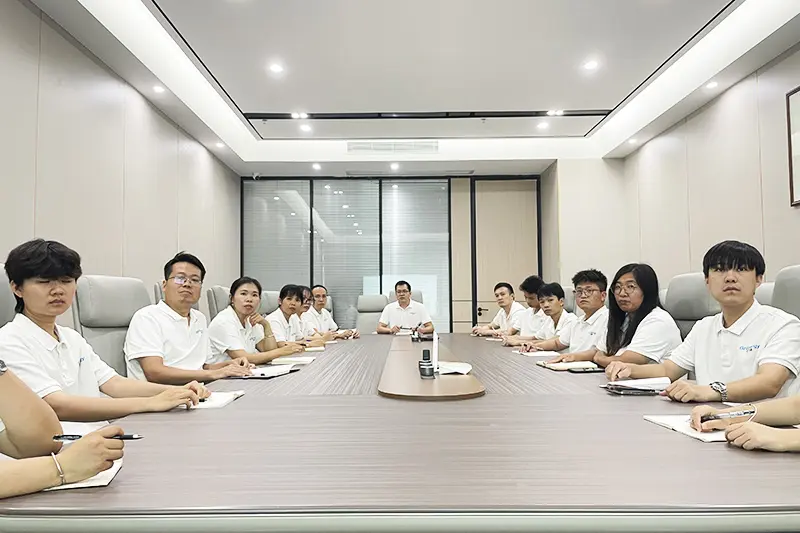
Clear answers to common questions about importing and installing Grenergy systems in Australia.
Yes, our batteries are designed to meet AS/NZS 5139 safety standards and undergo required testing. We provide the testing documentation needed for CEC listing and local DNSP grid-connection approvals.
Our systems feature thermal management, including high-flow passive cooling and forced-air circulation. The BMS monitors cell temperatures, preventing overheating and maintaining stable performance in ambient temperatures up to 45°C.
Yes. We offer complete OEM/ODM options, including customized housing colors, custom branding, specific BMS programming, and pre-integrated communication protocols for local VPP networks.
Production typically takes 25 to 35 days, depending on order size. Shipping from Shenzhen to major Australian ports (Sydney, Melbourne, Brisbane) usually takes between 18 and 25 days.
We provide standard warranties of 5 to 10 years depending on the model and application, backed by our $3 Million USD global product liability insurance.
Contact our sales and engineering team for detailed technical datasheets, container pricing, and customization options for the Australian market.
Send Inquiry Now Grenergy