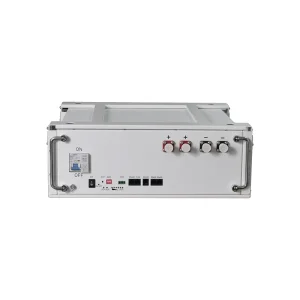
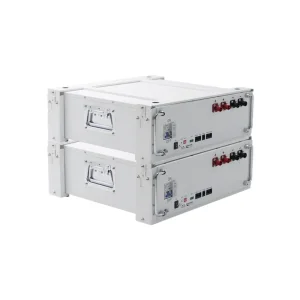
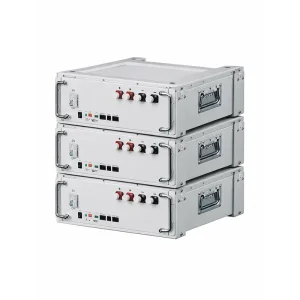
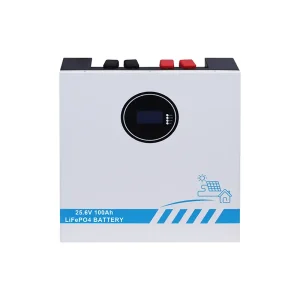
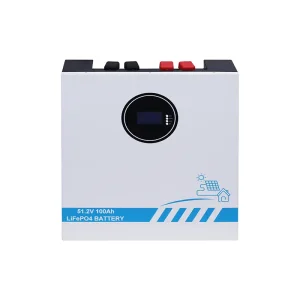
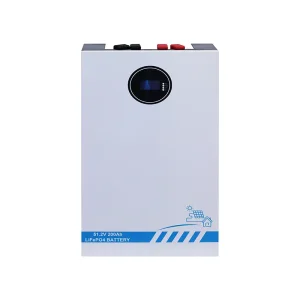
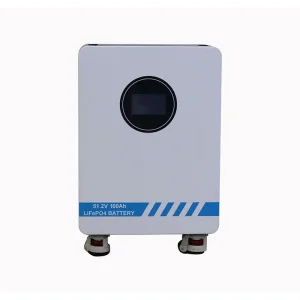
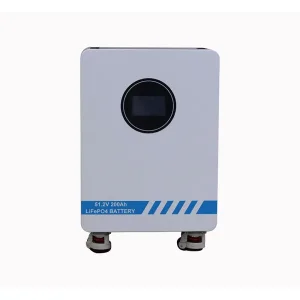
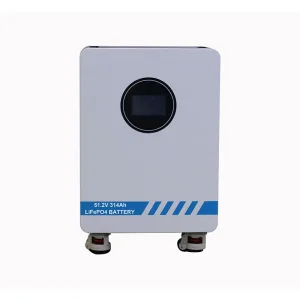
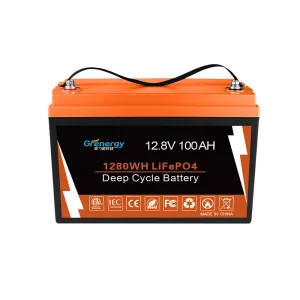
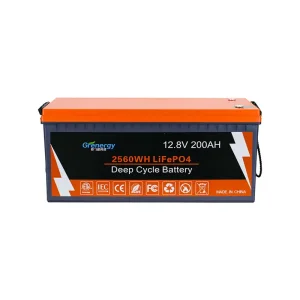
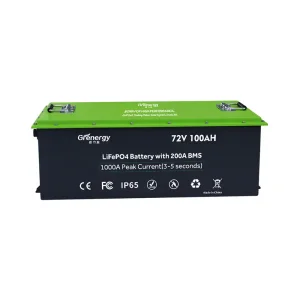
Premium energy storage components optimized for the Malaysian grid, featuring advanced BMS protection and seamless integration with hybrid solar systems.
As the economic epicenter of Malaysia, the Kuala Lumpur Metropolitan Area (including Selangor and the wider Klang Valley) is witnessing unprecedented demands on its electrical grid infrastructure. Rapid urbanization, high-density high-rise developments, and a commercial sector transitioning toward high-availability services have accelerated the need for localized energy security. Tenaga Nasional Berhad (TNB), Malaysia’s primary utility provider, has driven substantial modernization, yet industrial centers and residential zones alike face grid strain due to extreme tropical weather events and the soaring cooling loads typical of KL’s climate.
In response, the Malaysian government has rolled out initiatives to encourage localized solar photovoltaic (PV) installations. Key policies such as the Net Energy Metering (NEM) 3.0 scheme (under the categories of NEM Rakyat for residential and NEM GoMEn for government offices) allow end-users to export excess solar energy back to the grid. However, to truly optimize self-consumption and capture peak-shaving benefits, battery energy storage systems (BESS) are essential. Without localized storage, excess solar generated during peak daytime periods (11 AM to 2 PM) is often exported at lower credits, while residential grid consumption peaks during evening hours (6 PM to 10 PM) when solar output is zero.
By implementing a Home Energy Storage System (HESS), Kuala Lumpur residents and commercial facilities can store clean solar energy produced during peak sunlight hours and deploy it during peak rate periods or unexpected blackouts. This shift not only protects sensitive equipment from voltage sags but also mitigates the steep commercial and industrial tariffs under TNB’s high-demand structures.
Kuala Lumpur maintains a tropical rainforest climate, with high relative humidity and temperatures regularly exceeding 33°C. In such environments, traditional lithium-ion chemistries (such as Lithium Nickel Manganese Cobalt Oxide, or NMC) pose higher thermal runaway risks. The thermal stability threshold of Lithium Iron Phosphate (LiFePO4) is significantly higher, around 270°C, compared to approximately 210°C for NMC cells. This chemical resilience makes LiFePO4 the benchmark standard for installations in Southeast Asia, ensuring long cycle life and safety even in the absence of intensive air conditioning.
The practical application of battery storage systems in the Klang Valley varies significantly depending on building typologies and energy consumption patterns. Understanding these micro-scenarios is vital for engineering teams selecting appropriate energy storage hardware:
Urban districts like Bangsar, Mont Kiara, and KLCC are characterized by premium high-rise residences where physical space is at a premium. In these environments, bulky utility room enclosures are impractical. The application calls for ultra-slim, wall-mounted LiFePO4 units or compact rack-integrated modules that fit neatly into utility closets. These units act as high-capacity UPS networks, maintaining key circuits (Wi-Fi, refrigeration, lighting) during local sub-station interruptions.
In mature residential townships such as Subang Jaya, Petaling Jaya, and Shah Alam, multi-story detached homes have ample rooftop real estate for large-scale solar arrays (typically 10kWp to 20kWp). For these installations, high-capacity floor-standing or stackable modular battery banks (e.g., 51.2V 200Ah or 314Ah cabinet systems) are preferred. They capture maximum solar excess during the day to power whole-house cooling loads through hot Malaysian nights.
Small-to-medium offices, server hubs, and commercial storefronts within KL Sentral or Cheras face high demand charges during mid-day business hours. By deploying rack-mounted Smart ESS configurations, these businesses can achieve peak-shaving, drawing from the batteries when grid usage charges are at their peak and recharging during off-peak periods, resulting in direct operational cost reductions.
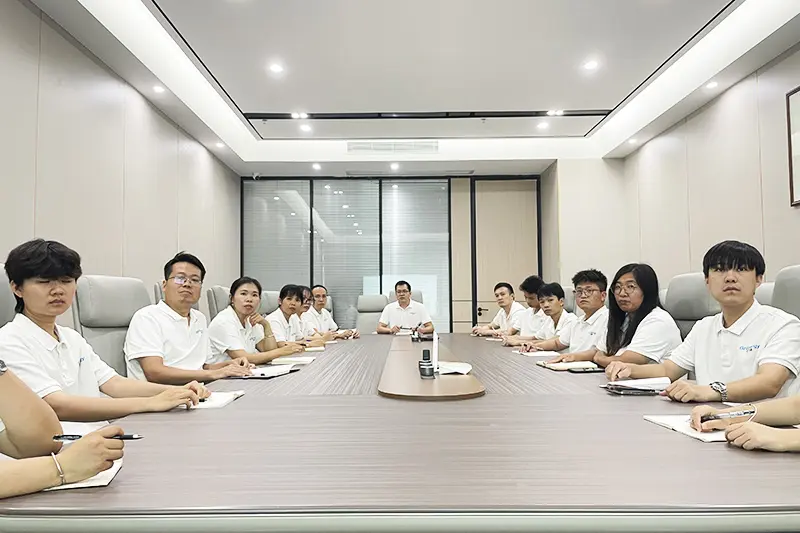
Established in 2010, Shenzhen Grenergy Technology Co., Ltd. is a national high-tech enterprise specializing in the R&D, design, manufacturing, and global distribution of advanced lithium-ion battery packs, customizable energy storage systems, and comprehensive battery management systems (BMS). Over the course of more than a decade, our engineering teams have pioneered high-density, safety-first storage solutions deployed across North America, Europe, and rapidly expanding markets in Southeast Asia, including the Greater Kuala Lumpur area.
Our commitment to rigorous design quality, material traceability, and cell-level balancing has positioned us as a premier partner for installers, distributors, and engineering contractors seeking robust, long-lasting alternatives to standard lead-acid batteries and lower-tier lithium packages.
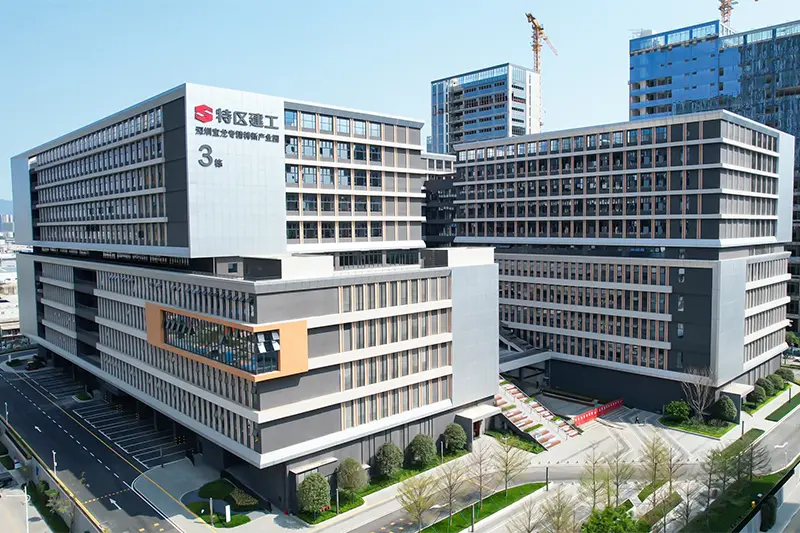
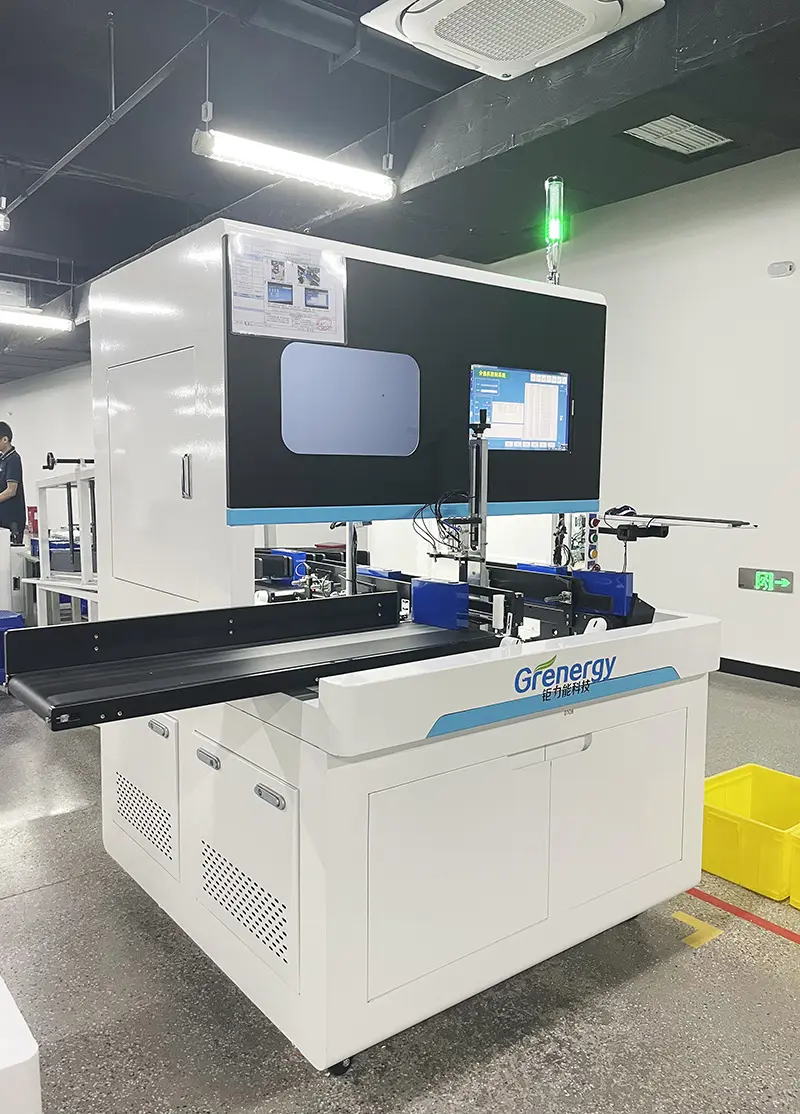
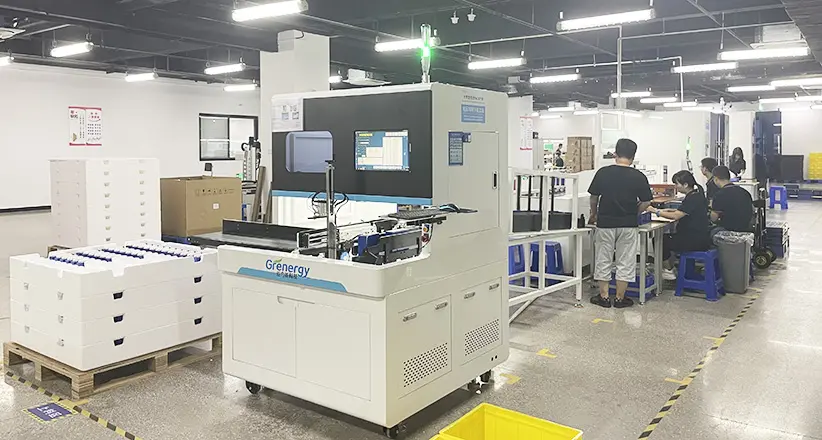
In the highly competitive global energy storage sector, procurement reliability and product consistency are critical factors. Grenergy operates from an advanced 10,000-square-meter state-of-the-art production facility in Shenzhen, China, staffed by a dedicated team of over 200 high-performance engineering and manufacturing professionals. Our facility operates under the principles of **Factory 4.0**, featuring advanced robotics, digital twin monitoring of testing profiles, and end-to-end material traceability.
Key pillars of our manufacturing efficiency and resilience include:
Enterprise-level buyers—including real estate developers in Kuala Lumpur, national solar EPC (Engineering, Procurement, and Construction) companies, and international distributors—have stringent risk management requirements. When importing large-scale battery systems, reliability must be backed by concrete certifications and liability protection.
At Grenergy, we maintain absolute compliance with global quality and safety systems. Our factories and products are certified under international bodies:
To provide complete operational assurance for major commercial installations and residential rollouts, Grenergy secures a $3 million USD third-party product liability insurance policy for our global product line. This financial safeguard protects project developers and end-users against any unforeseen system failure, offering peace of mind that typical tier-3 manufacturers cannot match.
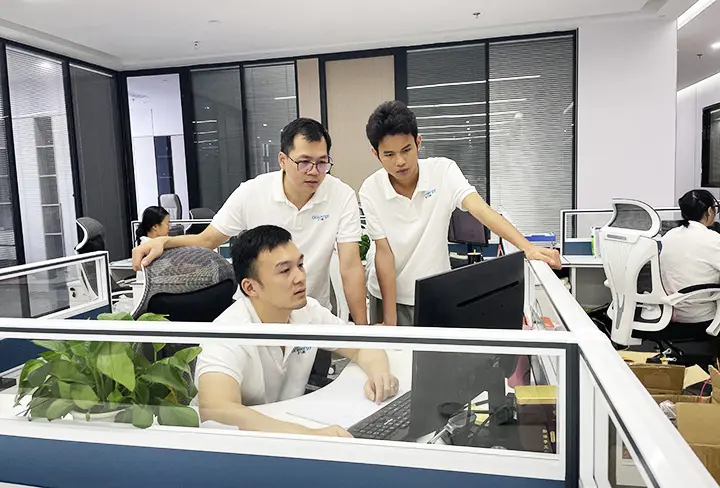
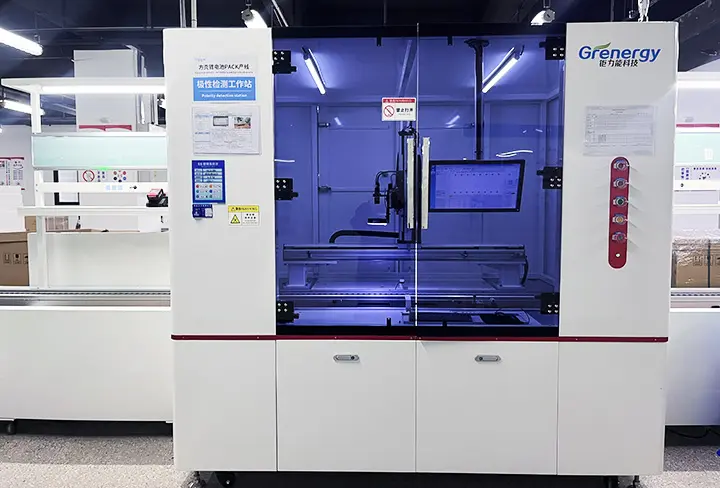
Technological advancement is not achieved in isolation. Grenergy partners with global leaders in power electronics, inverter manufacturing, and smart grid software to ensure our battery systems communicate seamlessly with local network standards. Whether interfacing with standard hybrid inverters from major global brands or custom EMS (Energy Management Systems) platforms deployed in commercial facilities across Kuala Lumpur, our batteries are designed for compatibility.
These strategic alliances enable us to integrate cutting-edge innovations—such as IoT-based remote monitoring, advanced cloud analytics for battery state-of-health (SoH) prediction, and active thermal management technologies—into our standard product line. The result is a highly reliable, plug-and-play energy storage ecosystem ready for the smart grids of tomorrow.
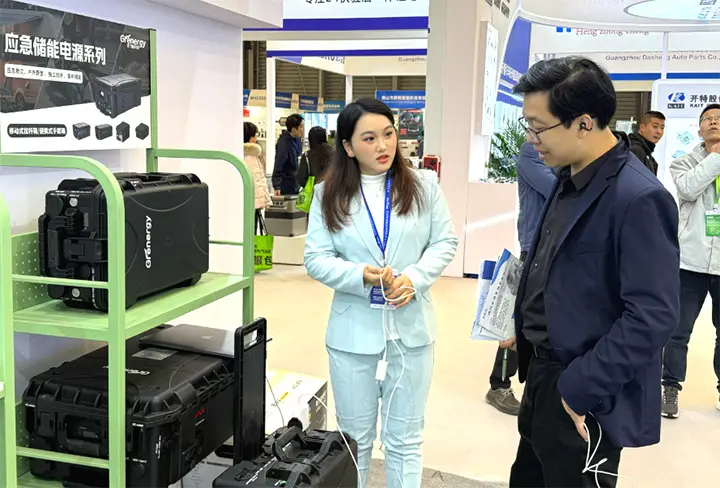
From our initial foundation, Grenergy's core mission has been to develop reliable, high-performance battery systems that replace obsolete, toxic storage options with sustainable lithium alternatives. We envision a future where decentralized, carbon-neutral power grids are standard. By continuous investment in chemical research, mechanical design, and software-driven protection, we have evolved from a specialized assembly shop to an international manufacturer.
Our products operate globally—from cold climates in Northern Europe to high-temperature regions in the Middle East and Southeast Asia. This diverse operational history informs our constant engineering refinements, ensuring that the batteries delivered to our partners in Kuala Lumpur are built to withstand heavy cycling under high ambient temperatures, maintaining safety and performance throughout their operational lifecycle.
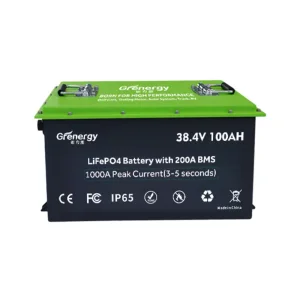
Explore our complete selection of LiFePO4 batteries, including deep-cycle cabinet structures, wall-integrated storage, and portable stations configured for global distribution.
In-depth responses to critical design, certification, and application questions for project developers, engineers, and homeowners.
Under Malaysia's Net Energy Metering (NEM) 3.0 scheme, grid credits are earned on a one-to-one offset basis for excess solar energy generated during daytime hours. However, residential consumers consume the majority of their energy outside solar generation windows (evening hours). Introducing a home battery storage system allows you to store excess solar electricity locally, drawing on it during peak evening periods to reduce overall import from TNB. This minimizes dependence on grid electricity and hedges against future tariff adjustments.
LiFePO4 (Lithium Iron Phosphate) offers superior thermal stability and cycle life compared to chemistry variants like NMC (Nickel Manganese Cobalt). The high ambient temperatures of Kuala Lumpur (frequently exceeding 30°C) increase the risk of thermal runaway in less stable chemistries. LiFePO4 resists high thermal conditions without decomposing, ensuring safety and allowing for up to 6,000 charge-discharge cycles at 80% Depth of Discharge (DoD), which equates to over 15 years of daily cycling.
Yes. Grenergy’s smart BMS architecture is designed with universal communication protocols (CANbus, RS485, and RS232) that support integration with most major global hybrid inverters common in the Malaysian market, including Growatt, Deye, Solis, Sungrow, and GoodWe. This guarantees that parameters like State of Charge (SoC), voltage limiters, and system diagnostics are accurately transmitted from our battery management system to the control interface of your inverter.
Our battery packs and cells carry recognized international certifications, including IEC 62619, UL 1973, CE, FCC, and UN38.3. This compliance certifies that the systems meet safety requirements for mechanical, electrical, and thermal abuse. This documentation is crucial for commercial project approvals and building safety assessments in high-density districts like Bukit Bintang or Mont Kiara.
This insurance provides third-party financial protection for project developers, municipal planners, and system integrators. In the unlikely event of system damage or failure resulting from manufacturing defects, our liability policy covers damage costs up to $3,000,000 USD. This demonstrates our confidence in Grenergy’s engineering and serves as a key trust indicator for commercial bids.
While LiFePO4 chemistry is thermally resilient, we recommend installing home energy storage units in shaded, well-ventilated locations (such as a garage or covered utility balcony) to protect the electronics and outer casing from direct tropical rain and prolonged solar heating. For strict outdoor installations, a dedicated outdoor cabinet with an IP65 ingress protection rating is required to prevent moisture intrusion.
We provide full-spectrum OEM and ODM customization from our Shenzhen engineering facility. This includes custom battery pack dimensions, specific capacity ratings (e.g., 5.12kWh up to custom high-voltage systems), customized metal enclosure styling, specialized BMS parameters tailored to local solar inverters, and branded outer casing printing for solar installation companies in the Klang Valley.
Lithium-ion batteries are classified under Class 9 Dangerous Goods (UN3480) for sea freight. Grenergy manages the entire logistics process, including the preparation of Material Safety Data Sheets (MSDS), UN38.3 test summaries, and certified dangerous goods packaging. We coordinate with shipping partners to ensure compliance from Shenzhen Port to Port Klang (Westport/Northport) in Selangor, ensuring seamless customs clearance.
We offer a standard 5-year to 10-year warranty (depending on the product series and operation parameters) covering cell performance, capacity retention (typically guaranteeing at least 70% of original capacity at the end of the warranty period), and internal BMS functionality. Warranty support is backed by trace testing data monitored through our production database.
Wall-mounted batteries are ideal for space-constrained residential installations (like urban townhomes or larger apartments) with load requirements under 15kWh. Floor-mounted cabinet systems are more suitable for larger homes, estates, or commercial units requiring capacities of 20kWh to 100kWh+, as they allow for easy expansion without straining wall structures.
Get in touch with our technical sales team for custom engineering drawings, volume pricing quotes, and detailed OEM/ODM supply chain configurations.
Send Inquiry Now Grenergy